
Personal style is as much about fit as it is about fashion. Whether revamping formalwear, restoring a cherished garment, or perfecting everyday essentials, the hunt for “alterations near me” has become a modern necessity. Across the country, independent tailors and specialized clothing repair shops are seeing renewed interest fueled by rising sustainable fashion trends and the evolving preferences of savvy consumers. This article explores trusted approaches to finding top-rated tailoring professionals, what to expect from expert alterations, and why precision tailoring matters more than ever.
Why Professional Alterations Matter for Everyday Wear
A tailored fit elevates even the simplest outfit. For many, off-the-rack clothing rarely fits perfectly due to differences in body shapes and manufacturer patterns. Proper alterations not only flatter the form but also enhance comfort, bolster confidence, and extend the longevity of garments. In fact, a growing body of anecdotal feedback suggests that individuals who invest in professional tailoring wear their clothes more often—reducing waste and saving money long-term.
Beyond aesthetics, alterations provide functional benefits. From hemming pants to repairing zippers and replacing linings, skilled tailors address daily wear and tear, rejuvenating wardrobes without the need for costly replacements. As many customers report, the attention to detail at reputable alteration shops often leads to results indistinguishable from the original manufacturer.
“A good tailor doesn’t just adjust your clothes—they help you express your best self, one stitch at a time,” says Maria Gonzalez, owner of a highly-rated boutique alterations shop in downtown Chicago.
The Most Common Types of Clothing Alterations
Tailoring services vary widely, but several core adjustments remain in high demand. Understanding the range of options available allows customers to make informed choices and communicate clearly with professionals.
Hemming and Length Adjustments
- Pant and dress hems: Shortening or lengthening to achieve the perfect break.
- Sleeve alterations: Tailoring jackets, shirts, and coats for a crisp, custom appearance.
Taking In or Letting Out Seams
- Waist and side seams: Nipping or expanding to accommodate weight changes or fit preferences.
- Shoulder adjustments: Improving the drape and silhouette, especially for tailored jackets and formal wear.
Repairs and Restorations
- Zipper and elastic replacements: Breathing new life into favorite items.
- Patchwork and hole repairs: Skillfully mending fabric to save sentimental or high-value pieces.
On the other hand, advanced tailors can handle specialty requests—such as re-lining vintage coats or reconstructing gowns—though these services may require additional time and investment.
How to Find Top-Rated Alterations Near Me
Asking “Where can I find reliable alterations near me?” begins with a blend of research, referrals, and personal experience.
Utilize Online Reviews and Local Directories
Many shoppers turn to platforms like Google Reviews, Yelp, and Nextdoor for peer feedback. While star ratings offer a snapshot of quality, the most insightful reviews discuss turnaround times, attention to customer requests, and responsiveness when handling complex repairs. Consistency in positive feedback signals trustworthiness.
Seek Recommendations From Fashion Professionals
Stylists, boutique store owners, and even dry cleaners often maintain relationships with skilled tailors. Leveraging these connections increases the likelihood of finding reputable, specialized services. Many high-end retailers also partner with trusted alteration experts—sometimes offering preferential rates to loyal customers.
Visit and Consult in Person
Nothing replaces a direct consultation. A visit to a tailoring shop provides clarity on expertise, cleanliness, and professionalism. Experienced tailors willingly discuss previous projects, show before-and-after samples, and offer clear estimates. Their ability to answer questions with transparency and confidence often sets them apart from less-qualified competitors.
Evaluate Expertise and Communication
Attention to customer service is a recurring hallmark of the most successful alteration businesses. Their willingness to listen, clarify expectations, and address concerns fosters peace of mind—ensuring your apparel is in the most capable hands.
Precision Tailoring Trends: Sustainability and Personalization
The renewed focus on sustainability in the apparel industry drives growth in demand for alterations. Consumers are keeping clothes longer, seeking local repair rather than replacement, and looking for ways to personalize classic pieces. This behavior aligns with the “slow fashion” movement and is further encouraged by brands promoting repair-friendly designs.
Figures from leading fashion analytics firms show that, compared to pre-pandemic years, a significant share of city dwellers and suburbanites alike search for local tailoring services at least several times per year. Social media trends—particularly on Instagram and TikTok—have made “before and after” tailoring transformations commonplace, motivating many to discover what their wardrobes can become with professional help.
Customizations have also entered the mainstream: from tapering denim to fit perfectly, to personalizing trousers with unique trimmings, modern alteration shops are expanding services to capture creative demand. According to estimates from trade associations, the market for bespoke tailoring and repairs is seeing steady, double-digit growth worldwide.
Cost Expectations and Value Analysis
Pricing for alterations near you depends on location, garment complexity, and the tailor’s reputation. Standard adjustments—like hemming pants or shortening sleeves—are typically affordable, with many shops offering clear price lists upfront. More intricate work, such as suit resizing or vintage restorations, naturally commands higher fees. What remains consistent, however, is the value delivered by expert tailoring:
- Cost-Effectiveness: Expert repairs prevent premature replacements, stretching the lifespan of investment pieces.
- Fit Perfection: Personalized adjustments turn off-the-rack finds into custom-feeling attire.
- Time Savings: Professional work minimizes trial-and-error, sparing customers from DIY mishaps.
Investing in quality alterations often outweighs the hidden cost of ill-fitting clothing or repeated purchases.
Real-World Example: From Thrifted Find to Wardrobe Staple
Consider the story of Hannah, a young professional who recently scored a vintage wool blazer from a local consignment store at a bargain price. While the fabric and style were timeless, the boxy fit and loose sleeves made the garment feel dated. Rather than passing up on the piece, she searched “alterations near me” and visited a neighborhood tailor. After a series of adjustments—including taking in the waist and shortening the sleeves—her blazer was transformed into a sharp, modern classic.
Stories like Hannah’s showcase the transformative power of quality craftsmanship and why local tailoring remains indispensable in today’s fast-paced, sustainability-minded fashion climate.
Summary: Getting the Most from Alterations Near Me
Precision tailoring is more accessible and valuable than ever. Locating reputable alteration professionals ensures that favorite garments fit perfectly, last longer, and reflect personal style goals. The growing interest in high-quality tailoring services—bolstered by sustainability trends and user-friendly local search tools—means finding “alterations near me” has never been easier or more rewarding.
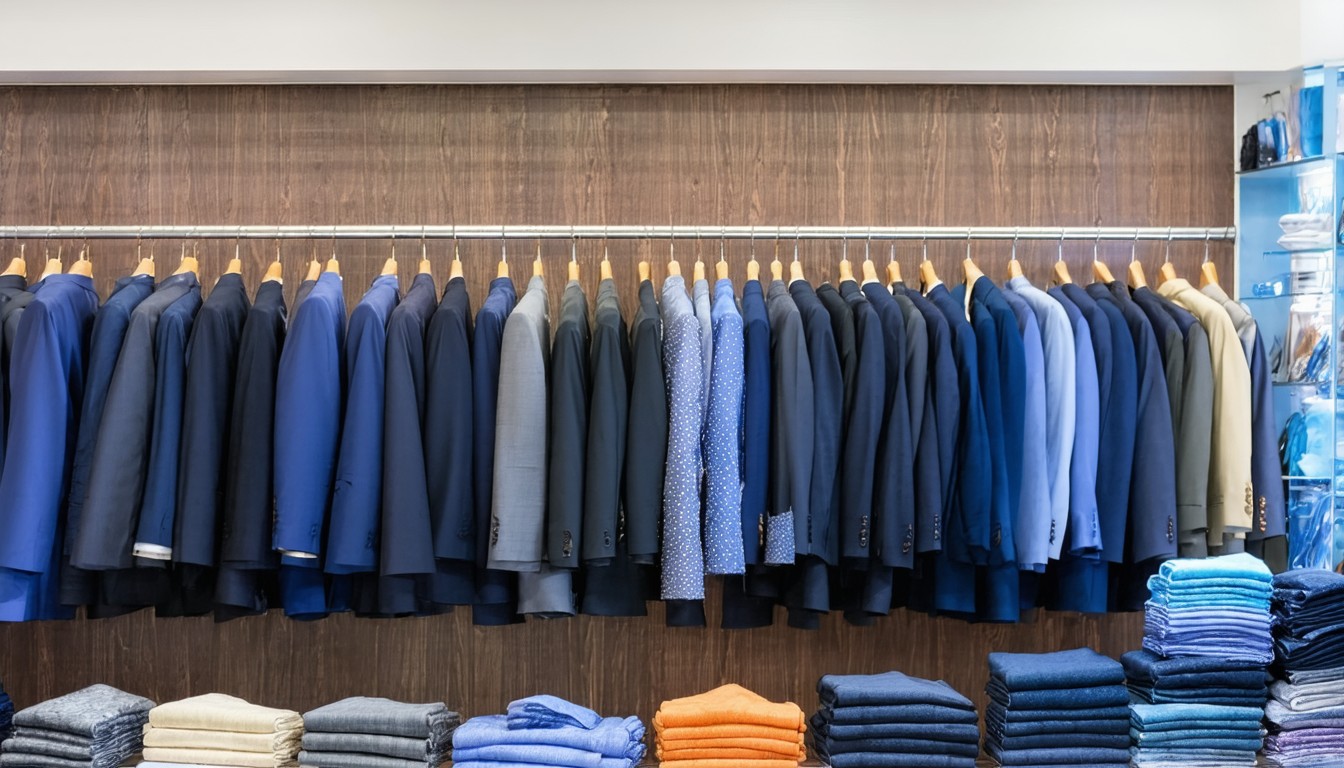
For the best results, focus on clear communication, research reputable providers, and approach alterations as an investment in your daily well-being as much as your wardrobe.
FAQs
How do I choose the best alterations shop near me?
Start by comparing local reviews, seeking personal recommendations, and scheduling consultations to assess the tailor’s expertise and communication skills. Observing their attentiveness and sample work can provide reassurance.
What clothing items are most commonly altered?
Trousers, jackets, skirts, and dresses are frequently adjusted for fit—while common repairs include zipper replacements and hemming sleeves or pants.
How long do typical alterations take?
Simple adjustments may require only a few days, whereas complex tailoring or restoration could take a week or more. Many shops provide clear timelines at the consultation stage.
Are alterations expensive?
Base costs for common services like hemming or waist adjustments are generally reasonable, but intricate changes or work on delicate garments may be pricier. Always request an upfront estimate to avoid surprises.
Is it worth repairing older or inexpensive clothing?
If the garment is beloved or unique, repairs can be highly worthwhile. Professional alterations significantly extend the useful life of both budget and investment pieces.
What questions should I ask my tailor during a fitting?
Clarify how much adjustments will cost, how long they’ll take, and what the final result will look like. Don’t hesitate to request examples of similar previous work or before-and-after photos.