
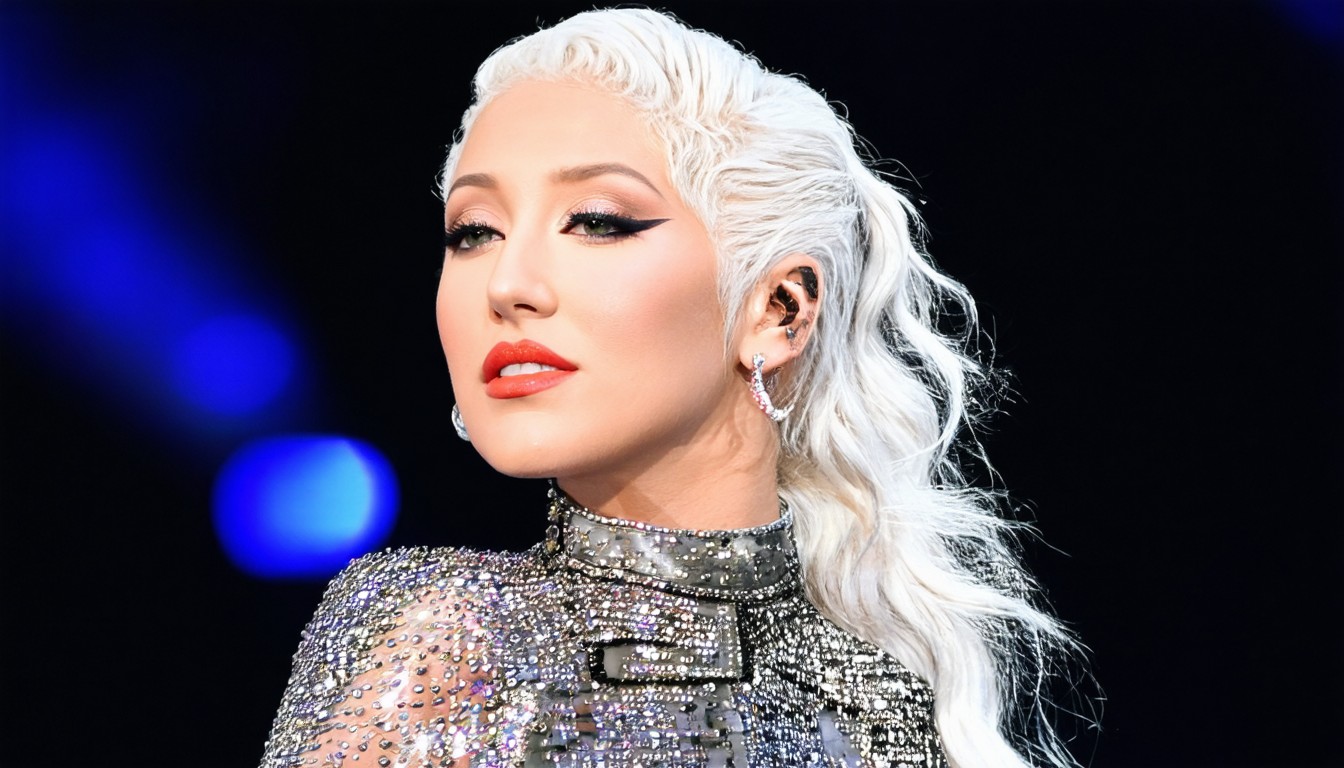
Christina Aguilera is a name that has become synonymous with powerhouse vocals, bold creativity, and fearless self-expression. Over more than two decades, she has navigated the spotlight not only as a pop icon but also as a voice for autonomy, self-acceptance, and female empowerment in the entertainment industry. Along the way, Aguilera’s artistic choices—ranging from her wardrobe to her unapologetic music videos—have sparked both admiration and debate, becoming a lens through which to examine the ongoing conversation about nudity, self-presentation, and agency in modern pop culture.
The Role of Image in the Music Industry
The world of pop music thrives on spectacle. For female artists in particular, visual presentation has often been inseparable from success. Starting in the late 1990s, Aguilera rose to fame alongside contemporaries like Britney Spears and Beyoncé, in an era where music videos, album art, and media appearances were as scrutinized as the music itself.
While her breakthrough single “Genie in a Bottle” projected a more youthful image, Aguilera quickly shifted gears with the 2002 “Stripped” era, embracing a far edgier and more provocative persona. In visuals for songs like “Dirrty,” Aguilera’s overt sexuality became both a creative statement and a focal point for critics and fans alike.
A study by the University of Southern California’s Annenberg School highlighted how female artists are often expected to negotiate their public image as part of their brand identity, facing societal pressures that male celebrities rarely encounter. Aguilera’s boldness set new precedents and challenged industry norms.
Nudity, Artistry, and Autonomy in Pop Culture
Nudity in art is not a modern concept, but in the realm of music videos and magazine covers, it carries special cultural weight. Some view it as empowering self-expression, while others see it as sensationalism.

Aguilera’s decision to pose nude for respected outlets such as Marie Claire and to incorporate elements of nudity and vulnerability in her videos was, for her, about reclaiming her body and narrative. Speaking in a 2002 interview, she said:
“I’m embracing and owning my sexuality and my body. It’s about personal liberation, not shock value.”
Her approach joined a larger movement of artists—Madonna, Janet Jackson, and later, Lady Gaga among them—who used nudity not only to provoke but to explore the intersections of femininity, power, and societal expectations. This intentional use of nudity as a form of artistic protest or declaration of control has added texture and urgency to discussions of gender and representation.
The Double Standard and Media Reactions
Media coverage has not always been kind. Female celebrities’ bodies have routinely been policed through tabloid headlines and online discourse. Aguilera was criticized for being “too provocative” at times, simultaneously celebrated and shamed, reflecting a persistent double standard.
Academic research published in Feminist Media Studies explores how media narratives around artists like Aguilera often shift swiftly depending on broader cultural attitudes—what was “empowering” in one era might be labeled “excessive” in another. An example can be seen in Aguilera’s own career, as debates about her image mirrored larger trends in how women’s sexuality is received and consumed in the public sphere.
Real-World Impact: Fans, Feminism, and Social Change
Beyond the headlines, Aguilera’s choices left a significant mark on pop culture and conversations about feminism. Many fans have cited her candor and confidence as positive influences during formative years. For LGBTQ+ audiences in particular, Aguilera’s openness about body positivity and her vocal support for self-expression resonated strongly.
Aguilera has also been a frequent advocate for social causes, supporting organizations like the Human Rights Campaign and participating in campaigns against domestic violence. Her philanthropic endeavors reinforce her belief in individual expression as a pathway to broader social change.
“Artistic freedom is about more than image. It’s about being able to tell your own story on your own terms,” remarked cultural critic and gender studies professor Dr. Tasha Bryant in a 2021 panel on pop feminism.
Industry Trends: Artistic Agency and Shifting Norms
In the two decades since Aguilera’s “Stripped” era, the music industry has seen significant changes in how artists, especially women, present themselves. The rise of social media has given artists more direct communication with fans—and greater control over their image. However, it has also exposed them to intensified public scrutiny.
Artists like Lizzo, Billie Eilish, and Doja Cat navigate similar terrain, using bold fashion and candid self-expression as vehicles for commentary on beauty standards, autonomy, and mental health. According to a report from the IFPI (International Federation of the Phonographic Industry), the increasing emphasis on authenticity and diversity in music has correlated with broader acceptance of varied forms of self-presentation, nudity included.
The Enduring Conversation
The dialogue surrounding nudity, artistry, and empowerment is dynamic, influenced by shifting social attitudes and the global reach of digital platforms. While some critics argue that the commodification of the female body remains a challenge, others maintain that safe, consensual artistic choices can amplify important conversations around identity and liberation.
Ultimately, Aguilera’s legacy is not confined to her music nor to specific images. Instead, it lives in the way she—and those influenced by her—helped move the conversation forward about what it means to own one’s story in a highly visible public sphere.
Conclusion: Christina Aguilera’s Influence and the Ongoing Cultural Dialogue
Christina Aguilera’s impact reaches far beyond her chart-topping hits. By navigating the complexities of fame, self-image, and artistic agency, she has become a central figure in ongoing debates about gender, freedom, and authenticity in pop culture. For many, her willingness to challenge conventions—sometimes through nudity, always through honesty—paved the way for broader conversations about autonomy and acceptance within and beyond the entertainment industry. As cultural norms continue to evolve, Aguilera’s history invites ongoing reflection on the possibilities and responsibilities of artistic self-presentation.
FAQs
Why did Christina Aguilera incorporate nudity into her artistic expression?
Christina Aguilera used nudity as a means of reclaiming her agency and promoting body positivity, not merely for shock value. For her, it was about personal liberation, authenticity, and challenging restrictive industry standards about female artists.
How did the media react to Aguilera’s provocative image changes?
Media responses ranged from support to heavy criticism. Aguilera faced both celebration for empowering women and scrutiny for being “too provocative,” exemplifying how female artists are often subject to double standards in public discourse.
What impact did Aguilera have on female empowerment in pop culture?
Aguilera’s fearless self-presentation has inspired many fans and young artists to embrace their individuality. Her career helped push conversations around female empowerment, body image, and agency further into mainstream culture.
Are other celebrities following in Aguilera’s footsteps regarding artistic nudity?
Yes, many modern pop artists—such as Lizzo, Billie Eilish, and Lady Gaga—use nudity and bold self-expression as tools for self-advocacy and commentary on industry norms, building on a path leaders like Aguilera helped pave.
Is artistic nudity becoming more accepted in the music industry?
There is a growing acceptance of diverse forms of self-expression in music, including artistic nudity, as conversations around authenticity and autonomy continue to evolve. However, challenges around double standards and media scrutiny remain prevalent.