
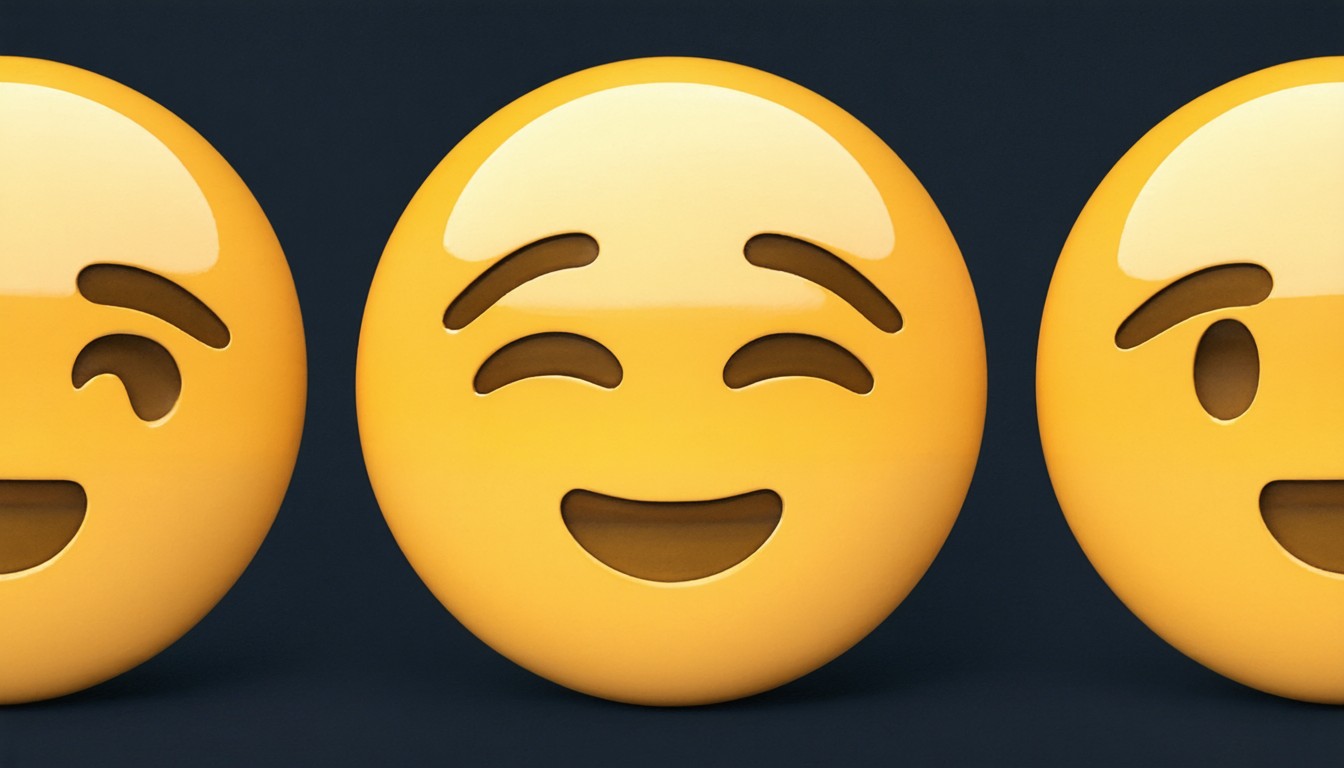
Digital communication is laced with nuance, trends, and unspoken context. Among the hundreds of emojis available, a few have transcended their original design to become shorthand for complex emotions and cultural references. One striking example is the side eye emoji 👀, whose usage has surged across social platforms, chat apps, and even brand marketing communications. While many emojis serve simple functions—smiles, frowns, hearts—the side eye emoji cuts deeper, lending itself to layers of meaning, subtle shade, and social commentary.
Understanding this emoji’s role is more than internet trivia. It’s a lens into how digital natives convey skepticism, intrigue, and even subtle accusations without typing a single word. Its rise also highlights evolving trends in online expression and community in-jokes. In this article, the meaning, social uses, and practical tips on typing the side eye emoji take center stage—providing insights for both casual users and marketers eager to remain culturally fluent.
What Is the Side Eye Emoji? Decoding Its Visuals and Origins
Visually, the side eye emoji 👀 depicts a pair of neutral eyes glancing sharply to the side. This simple design, standardized by Unicode as “eyes,” first appeared on major platforms in the mid-2010s. While the Unicode Consortium did not specify emotion or intent beyond “eyes,” early internet users quickly adopted the icon for expressive effect.
The emoji’s appearance subtly shifts between devices. In Apple’s version, the eyes are wide and slightly raised; on Android, the gaze is more neutral. These small artistic decisions can affect interpretations, but the core idea—watching, noticing, or casting a sideways glance—remains consistent.
The Side Eye as Cultural Code
Early adoption on Twitter and Tumblr established the side eye emoji as a response to drama, gossip, and unexpected revelations. Over time, pop culture moments (ranging from reality TV reactions to high-stakes celebrity tweets) solidified its association with side-eye glances—those iconic moments of wordless skepticism or playful shade. As a result, 👀 transformed into a powerful social signal, able to convey entire narratives with just two characters.

Interpreting the Side Eye Emoji: Multiple Meanings in Context
Unlike literal facial expressions, emoji interpretation often depends on context. The side eye emoji is especially versatile, taking on layered meanings based on timing, audience, and platform.
Common Meanings and Scenarios
- Curiosity/Inquisitiveness: “What’s going on here?”
- Suspicion/Skepticism: “I’m not sure I believe that.”
- Eagerness/Anticipation: “I’m watching and waiting for the next move.”
- Playful Shade: “Did you really just say that?”
- Alertness: “Keeping an eye on things.”
For example, when an influencer cryptically tweets about “exciting news coming,” replies packed with 👀 signal collective anticipation. In friend group chats, a side eye can nudge a friend who’s being coy or secretive without confrontation.
“On digital platforms, the right emoji—like 👀—does more than decorate a message; it offers a shorthand for layered social dynamics,” notes digital culture researcher Dr. Amanda Holden.
“The side eye emoji, in particular, is fascinating because, in just two characters, it harnesses centuries-old body language and channels it into a single, instantly recognizable digital gesture.”
Platform Variations: Twitter, TikTok, Instagram
On Twitter, large-scale meme events often spark bursts of side eye emoji usage, where users coordinate their responses to trending topics. On TikTok, it’s used in video captions to tease drama or point out subtle actions. Instagram Stories might place 👀 alongside reaction stickers for additional context. Each platform’s culture and features adapt the emoji’s meaning, underscoring its flexibility.
Popularity and Cultural Impact: How 👀 Became an Online Staple
Measuring exact popularity is difficult, but public data from Emojipedia and social analytics firms consistently rank the side eye emoji among the most frequently used. Upticks in its use often align with viral drama or significant pop culture moments—think major sports events, celebrity feuds, or election nights.
Brand Adoption and Marketing
Forward-thinking brands have incorporated the side eye emoji into their social campaigns to project savvy and connect with Gen Z and Millennial audiences. Fast food chains, athletic wear labels, and even government agencies have used 👀 to tease new products or playfully engage with commentary.
For instance, Wendy’s, known for its sharp Twitter voice, has deployed 👀 in response to rivals’ announcements, signaling that “we’re paying attention—and maybe a little skeptical.” This subtle engagement tactic keeps brands culturally relevant and approachable, especially to younger demographics.
How to Type the Side Eye Emoji on Any Device
Despite its popularity, some users still wonder: How do I actually type the side eye emoji?
On Smartphones (iOS and Android)
- iOS: Open the emoji keyboard (tap the smiley face or globe icon), then search for “Eyes” or scroll to the Smileys & People section.
- Android: Tap the emoji key on your virtual keyboard (often found next to the spacebar), then browse or search for “Eyes.”
Once located, simply tap 👀 to add it to your message. Many chat apps also support predictive emoji—typing “side eye” or “eyes” may suggest it.
On Desktops and Laptops
- Windows: Press
Windows + .(period) to open the emoji picker, then type “eyes.” - MacOS: Press
Control + Command + Spaceto open the emoji viewer, and search for “eyes.”
For those unable to use emoji keyboards, copying and pasting the symbol from a trusted site like Emojipedia is a universal fallback.
Nuances, Etiquette, and Potential Pitfalls
As with any nonverbal cue, the side eye emoji’s meaning can be misinterpreted—especially in professional settings. Experienced digital communicators consider audience and context before deploying 👀, as it can appear playful among friends but passive-aggressive or dismissive in work-related chats.
When and Where to Use
- Appropriate: Informal conversations, social media threads, playful banter
- Use with caution: Workplace messaging, formal emails, interactions with less tech-savvy contacts
Guidelines for use continue to evolve. Recent workplace studies find that even common emojis can occasionally backfire, sparking confusion or perceived rudeness if the context isn’t crystal clear.
The Future of the Side Eye Emoji in Digital Communication
As language and technology evolve, so too does emoji usage. The side eye emoji’s ongoing relevance lies in its adaptability; as new meme formats, communication styles, and digital cultures emerge, it will likely remain a go-to symbol for unspoken commentary and viral moments. Brands, creators, and casual users alike benefit from understanding its power—and the etiquette that comes with it.
Conclusion
The side eye emoji 👀 has outgrown its simple visual design to become a rich social signal online. Its versatility—communicating curiosity, skepticism, mischief, or eager anticipation—reflects broader shifts in how people express nuance in digital conversations. Used thoughtfully, it underscores points, adds levity, or builds shared context. As the digital landscape continues to shift, the side eye emoji’s role as a cultural staple is unlikely to wane anytime soon.
FAQs
What does the side eye emoji mean?
The side eye emoji mainly expresses curiosity, suspicion, anticipation, or a playful challenge, depending on the context of the conversation and the people involved.
How do I type the side eye emoji on my phone?
On most phones, open your emoji keyboard and look for the “Eyes” emoji under the smileys section, or type “eyes” in the emoji search bar.
Can I use 👀 in professional messages?
While increasingly common, using the side eye emoji in business or formal communications is best done with care—its tone can appear sarcastic or even dismissive.
Why has the side eye emoji become so popular?
Its popularity stems from social media memes, pop culture moments, and how effectively it conveys complex reactions without needing any words.
Do brands use the side eye emoji?
Yes, many brands now use 👀 to tease announcements, comment on competitors, or engage playfully with followers, especially on platforms like Twitter and Instagram.
Are there cultural differences in the meaning of the side eye emoji?
Uses and interpretations don’t vary drastically by country, but online communities and niche groups may develop unique connotations or inside jokes associated with 👀.