
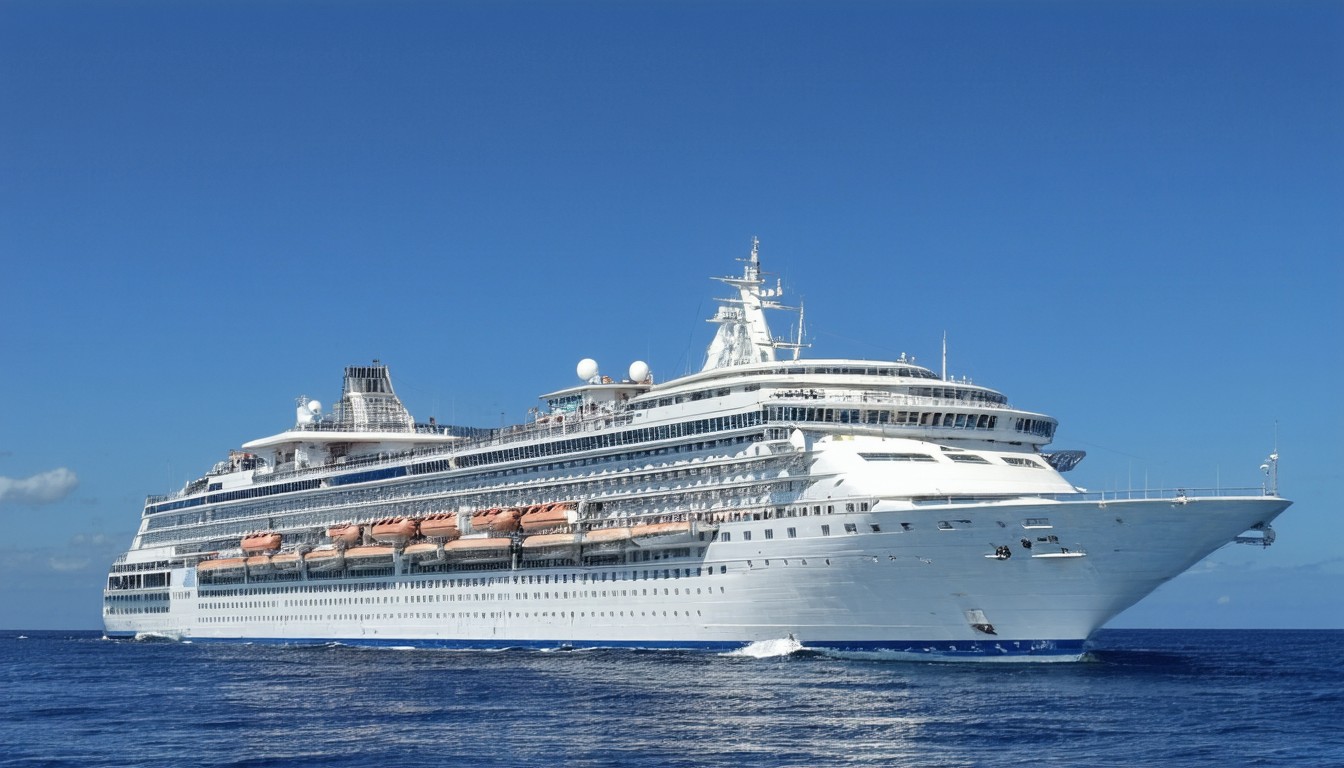
Piracy, long thought to be a relic of the past or a topic reserved for Hollywood thrillers, remains a tangible threat in select regions of the world’s oceans. This reality surfaced once again as security advisories and high-profile incidents prompted cruise operators to issue piracy warnings specifically targeting luxury cruise passengers. The warnings—though unsettling—are a critical step in ensuring the safety and awareness of high-net-worth travelers, whose itineraries frequently cross vulnerable maritime corridors. As the appetite for adventure and remote destinations grows in the cruise sector, so do the security challenges underpinning these journeys.
Understanding the Modern Piracy Threat
Contemporary maritime piracy persists in many corners of the globe. Unlike the romanticized image of pirates from centuries past, today’s threats are often armed, organized, and opportunistic. Hotspots such as the Gulf of Aden, waters off Somalia, parts of Southeast Asia, and the Gulf of Guinea continue to demonstrate elevated levels of piracy activity. According to the International Maritime Bureau, while global piracy incidents have declined over the past decade, targeted attacks against high-value vessels—including luxury yachts and cruise liners—remain an ongoing concern.
In recent years, pirates have shifted tactics, leveraging speedboats and sophisticated weaponry to intercept and board ships with minimal warning. Although commercial cargo vessels still bear the brunt of most attacks, cruise ships attract attention for their perceived wealth and media impact.
Impact on the Cruise Industry
Luxury cruise lines, catering to affluent travelers, often chart routes near or through these high-risk waters. The consequences of an encounter range from onboard panic and financial loss to significant reputational damage. In response, operators increasingly coordinate with international navies, invest in non-lethal deterrence (such as water cannons and sonic devices), and train crews in emergency protocols.
“The safety of our guests and crew is our highest priority. Route planning and risk mitigation, including real-time intelligence sharing, are now permanent fixtures in our operations,” one senior cruise line executive stated during a recent industry summit.
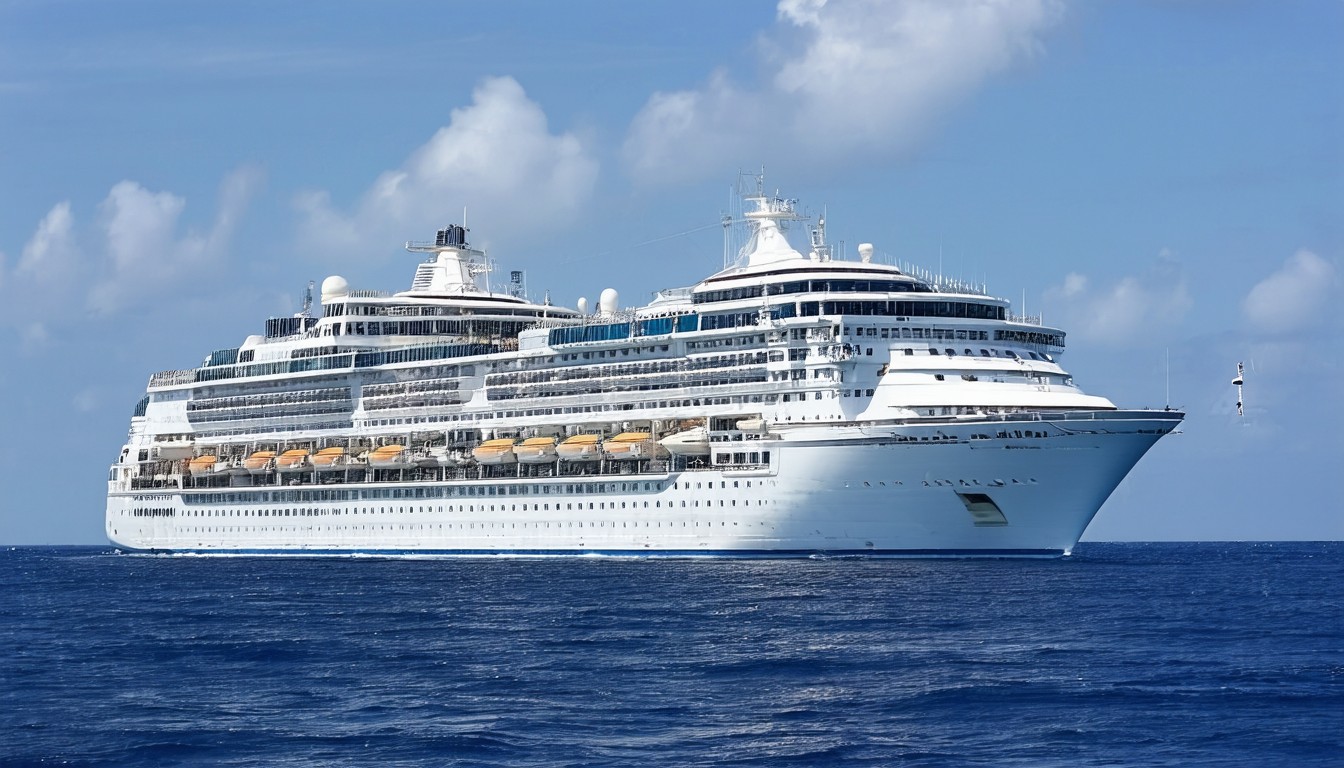
Key Regions of Concern for Luxury Cruises
When reviewing piracy advisories, certain maritime zones stand out for their persistent risks. Cruise passengers should be aware that while most itineraries steer clear of danger, trips through or near these areas may trigger heightened vigilance:
- The Gulf of Aden and Somali Coast: Once the world’s primary piracy epicenter, these waters still demand convoys and naval escort arrangements for large vessels.
- The Gulf of Guinea: Attacks here often escalate to armed robbery and kidnappings. Cruise companies are typically reluctant to enter this region without assurance from local or international patrols.
- Southeast Asia (Strait of Malacca, Sulu/Celebes Seas): Though attacks are often opportunistic, the dense ship traffic and narrow waterways raise stakes for all vessels.
The Rise of Private Maritime Security
As a result of persistent threats, a niche industry has flourished around maritime security for high-profile cruises. Private contractors—ranging from ex-military personnel to specialized maritime security firms—are regularly deployed aboard luxury cruises transiting risk-prone waters. Their presence serves dual purposes: providing both a visible deterrent and a practical, immediate response capability.
These security strategies have led to fewer successful hijackings involving cruise ships, but the ever-adaptive nature of piracy means vigilance cannot wane.
Proactive Safety Measures on Luxury Cruises
Modern risk management for cruise lines involves a blend of technological innovation, tactical planning, and guest communication. While passengers may not always be aware of every precaution, the invisible layers of defense are substantial.
Technical and Tactical Safeguards
Luxury cruise ships now commonly employ:
- Advanced surveillance systems: Real-time radar and thermal imaging help detect fast-moving boats approaching outside normal shipping lanes.
- Ship hardening procedures: Barriers, electrified fences, and secure safe rooms (citadels) provide last resorts if security is compromised.
- Crew and guest drills: Regular simulation exercises keep response times sharp and reduce panic in the event of an actual emergency.
Beyond these technical tools, route modifications and sailing in convoys or with naval escorts make cruise hijackings markedly less likely. The maritime industry’s embrace of risk assessment—combined with robust information-sharing between operators, governments, and international agencies—further enhances collective resilience.
Guest Awareness and Advisory Communications
Transparency has become critical as cruise lines balance the desire to reassure guests without causing undue alarm. Pre-boarding communications now often include piracy risk disclosures and tailored safety briefings, especially for cruises venturing near known hotspots.
Passengers are typically advised on:
- Avoiding restricted outdoor decks at night
- Responding calmly to security drills or announcements
- Recognizing security personnel and respecting all safety instructions
Ultimately, empowering travelers with accurate information is seen as vital. The shared objective is to foster cooperation and minimize disruption, rather than to provoke anxiety.
Real-World Case Examples: Piracy Incidents and Responses
Instances involving luxury cruises and piracy are rare but not unheard of. One well-documented episode occurred in 2008, when a pair of pirate skiffs approached an Italian cruise ship near Seychelles. Thanks to rapid crew action and defensive measures, including the use of firehoses and evasive maneuvers, the pirates were deterred and no guests were harmed. The event, although harrowing, underscored the importance of preparedness.
More recently, itineraries through the Red Sea and Indian Ocean have faced schedule adjustments as operators weigh risks against demand for exotic, remote destinations. Industry sources note a steady uptick in direct communications between cruise companies and naval operations centers, further reinforcing a culture of proactive risk assessment.
“Modern piracy isn’t simply an operational challenge—it’s a reputational and psychological hazard for the entire luxury travel sector,” explains Dr. Ilse Morgan, a maritime security analyst. “How lines communicate risks and demonstrate resilience has become part of the luxury experience itself.”
Looking Ahead: Balancing Adventure and Safety
Travelers continue to seek unique, off-the-beaten-path experiences, compelling cruise lines to venture into geopolitically complex waters. The layered approach—combining technology, intelligence, and human expertise—minimizes the likelihood and impact of piracy without stifling the spirit of exploration.
Yet, as industry observers warn, complacency could undo years of progress. Continuous monitoring, investment in training, and keeping guests informed are indispensable strategies for sustainable success in this evolving landscape.
Conclusion
The resurgence of piracy warnings for luxury cruise passengers is a sober reminder that adventure and risk coexist at sea. The cruise industry’s multi-pronged response emphasizes technology, private security, transparent guest communication, and alliances with international navies. While the number of incidents affecting cruise liners remains low, preparedness and vigilance are the industry’s best tools. For passengers, understanding the risks enables informed decision-making—supporting both personal safety and the ongoing enjoyment of world-class travel experiences.
FAQs
What prompted recent piracy warnings for luxury cruise passengers?
Recent warnings are driven by sporadic increases in piracy activity in key regions, combined with the cruise industry’s expansion into less-traveled routes where risks are more significant.
Which regions are considered high risk for cruise ship piracy?
The Gulf of Aden, areas off Somalia, the Gulf of Guinea, and certain straits in Southeast Asia are recognized as hotspots due to past incidents and ongoing reports of pirate activity.
How do cruise ships protect passengers from piracy threats?
Luxury cruise lines use a combination of advanced surveillance, physical barriers, private security teams, and real-time collaboration with naval patrols to reduce risks.
Are piracy incidents common for luxury cruise ships?
Actual hijackings or attacks on luxury cruise ships remain rare, but warnings and preparedness are maintained to ensure ongoing passenger safety as a precaution.
What should passengers do if their cruise route includes high-risk waters?
Passengers should participate in safety drills, follow all onboard instructions, and stay updated via official communications provided by the cruise line before and during their voyage.
Why are luxury cruises potentially more attractive targets for pirates than other ships?
Luxury cruises are perceived as higher-value targets due to the wealth of their guests and the potential for media exposure, though extensive security measures help to deter these threats.