
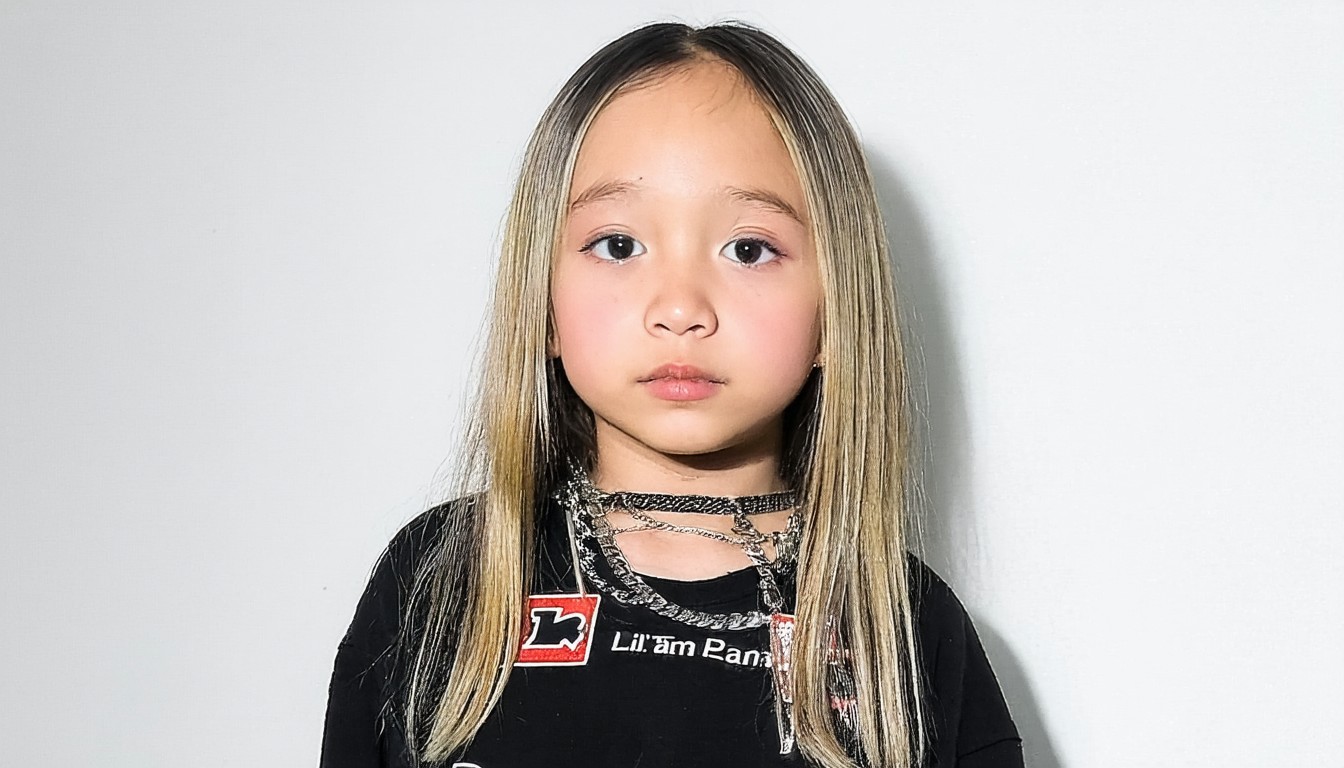
The Rise of Lil Tay and Her Unconventional Fame
In the fast-moving world of internet celebrities, few figures have captured controversy and curiosity quite like Lil Tay. Bursting into online stardom at just nine years old, Lil Tay—born Claire Eileen Qi Hope—became infamous for her viral, profanity-laced videos flaunting luxury lifestyles and wealth far beyond her years. These clips, often viewed millions of times on platforms like Instagram and YouTube, prompted ongoing debates about parental supervision, child fame, and the true nature of social media authenticity.
Yet as Lil Tay disappeared and reappeared from the spotlight, new rumors began to swirl—most notably, speculation around the search term “Lil Tay OnlyFans.” This rumor, persistent on search engines and social platforms, hints at the complex intersection of online persona, misinformation, and the sometimes predatory dynamics of internet rumor mills.
Dissecting the “Lil Tay OnlyFans” Rumor
Online Speculation and Search Trends
Online rumors have a way of catching fire, especially when a figure like Lil Tay—already steeped in controversy—becomes the subject. The phrase “Lil Tay OnlyFans” frequently trends on social media, suggesting that users are searching for information or content linking the young internet star to the adult-oriented subscription platform.
However, a closer inspection reveals a critical truth: there is no verified OnlyFans account belonging to Lil Tay. This is not only due to her age (OnlyFans requires users and creators to be over 18) but also because reputable sources and platforms have not corroborated such links. What exists instead is a swirl of clickbait, manipulative thumbnails, and misleading social chatter engineered to generate page views, rather than to report news.
According to social media researcher Dr. Amanda Klein:
“Virality thrives on ambiguity and outrage. Even a baseless rumor, linked to a figure as controversial as Lil Tay, can drive huge traffic and engagement—regardless of its accuracy.”
The Side Effects of Viral Misconceptions
The rumor’s spread has significant social consequences. For young fans and concerned parents, it raises questions about child safety, the boundaries of online fame, and the responsibilities of platforms in curtailing explicit rumor-mongering. Additionally, it demonstrates how teens and children who attract viral attention are often subjected to a harsh, adult gaze that can manifest in deeply inappropriate speculation.
Case studies of other young internet celebrities—like Danielle Bregoli (Bhad Bhabie) and Malu Trevejo—underscore this trend. Both experienced similar rumors and were subjected to early sexualization online, sometimes prompting legal and ethical challenges for platforms hosting such discussions.
The Broader Issue: Child Influencers and Platform Responsibility
Exploitation, Monetization, and Online Ethics
Beyond the specific rumor about Lil Tay, there’s a systemic challenge facing social apps and platforms regarding the welfare of young influencers. Children who achieve massive fame on Instagram, TikTok, or YouTube often walk a precarious line between success and exploitation.
Social media platforms claim to enforce strict age restrictions and content guidelines. OnlyFans, for example, is explicit about its minimum age, leveraging verification checks to prevent minors from creating or consuming content. However, third-party reposts and unauthorized content uploads—sometimes on other platforms—can muddy these efforts, blurring the line between rumor and reality.
There have been several advocacy groups, such as the National Center on Sexual Exploitation, calling for more robust protections for minors featured online. Real-world policy efforts in California and France now require families of child influencers to declare and safeguard their earnings, recognizing both the opportunities and vulnerabilities that come with early fame.
The Business of Scandal: Misinformation as a Click Magnet
The rumor mill doesn’t operate in a vacuum. Websites and social accounts often capitalize on trending—but false—keywords like “Lil Tay OnlyFans” to drive traffic. This phenomenon, known in digital marketing as “search arbitrage,” can be highly profitable, with sites earning ad revenue even as they help perpetuate damaging or misleading narratives.
In practice, this means children like Lil Tay may find their names attached to unrelated or inappropriate material. The damage—both reputationally and psychologically—can be difficult to undo.
Lil Tay’s Recent Return: Fact-Checking and Digital Disinformation
Clearing Up the Headlines
After several years out of the limelight, Lil Tay resurfaced in 2023 with new social media posts and a statement refuting previous rumors regarding both her well-being and her online presence. Her return quickly reignited interest—and, predictably, a fresh wave of speculation about her alleged involvement with OnlyFans.
Fact-checking sites and reputable news outlets have consistently debunked the OnlyFans rumor. Searches for a verified or even unofficial Lil Tay account on OnlyFans turn up nothing credible. Instead, most evidence points toward a cyclical pattern of misinformation: internet users make an assumption, which becomes a meme, leading to opportunistic websites capitalizing on the trend.
The Ongoing Battle Against Misinformation
The Lil Tay OnlyFans rumor illustrates how quickly misinformation can become “truth” through repetition alone. Algorithms that prioritize engagement, rather than accuracy, often amplify these baseless stories.
Media literacy organizations advise users to:
- Check the original source of any viral claim,
- Look for secondary confirmation,
- Pay attention to whether links are to reputable outlets or low-credibility clickbait, and
- Report clearly fraudulent or harmful rumors.
This multifaceted issue highlights the responsibility of not just platforms, but also audiences, to approach sensational headlines with caution and critical thinking.
“In the digital era, repeating an unfounded rumor just once can spark a chain reaction that’s almost impossible to fully reverse. Especially when minors are involved, the harm is amplified and long-lasting.” — John Gertz, digital ethics commentator
The Human Impact: Young Celebrities and Digital Vulnerability
Psychological and Reputational Stakes
Lil Tay’s rapid ascent and the subsequent rumor mill underscore profound challenges faced by young creators. Exposure to adult rumors, especially those linked to platforms like OnlyFans, can inflict emotional distress and lasting reputational impacts—effects that extend well beyond the initial news cycle.
Mental health professionals have highlighted the unique vulnerabilities of internet-famous children. Public scrutiny and baseless, viral allegations can lead to anxiety, loss of trust in adults, and a warped sense of self-worth. The normalization of such rumors could discourage genuine self-expression and further endanger minors.
Industry Shifts and Needed Safeguards
Some platforms are taking incremental steps towards greater transparency and stricter policy enforcement. TikTok and Instagram, for instance, have made recent updates to their reporting tools and content moderation guidelines, partly in response to pressure from legislators and child-safety advocates.
But experts argue that a more sustained cultural shift is needed:
- Stronger cross-platform coordination to remove misinformation,
- Empowered reporting and support channels for young influencers, and
- Educational resources for parents, guardians, and children on digital reputation and privacy.
Conclusion: Why Digital Caution Still Matters
The persistent rumors linking Lil Tay to OnlyFans offer a cautionary lesson about the intersection of fame, youth, and internet misinformation. With no credible evidence that Lil Tay has ever created or posted content on OnlyFans, these headlines serve as a stark reminder to approach viral stories with skepticism—and to prioritize child protection online above all else.
For platform operators, creators, and audiences alike, it’s vital to balance the appeal of viral content with ethical responsibility. Real progress means not just debunking rumors as they arise, but also building systems that prevent them from catching fire in the first place.
FAQs
Is there any evidence Lil Tay has an OnlyFans account?
No credible evidence supports claims that Lil Tay has an OnlyFans account. Trusted news outlets and the platform itself show no links or verified profiles associated with her.
Why do rumors about “Lil Tay OnlyFans” keep appearing online?
The combination of Lil Tay’s notoriety, her prolonged absence, and internet fascination with creators on adult platforms fuels repeated searches and clickbait related to this rumor.
How do such rumors impact young internet celebrities?
These rumors can result in significant harm, ranging from mental health stress to long-term reputational damage. Young creators are particularly vulnerable to the effects of online misinformation.
What are platforms doing to protect minors from rumors and exploitation?
Social media platforms are strengthening age restrictions, improving moderation, and implementing reporting features. Laws in some areas now require additional oversight of child influencers’ earnings and welfare.
What should readers do if they come across similar rumors?
Verify information against multiple reputable sources, avoid spreading sensational claims, and use platform reporting tools for harmful or misleading content involving minors.