
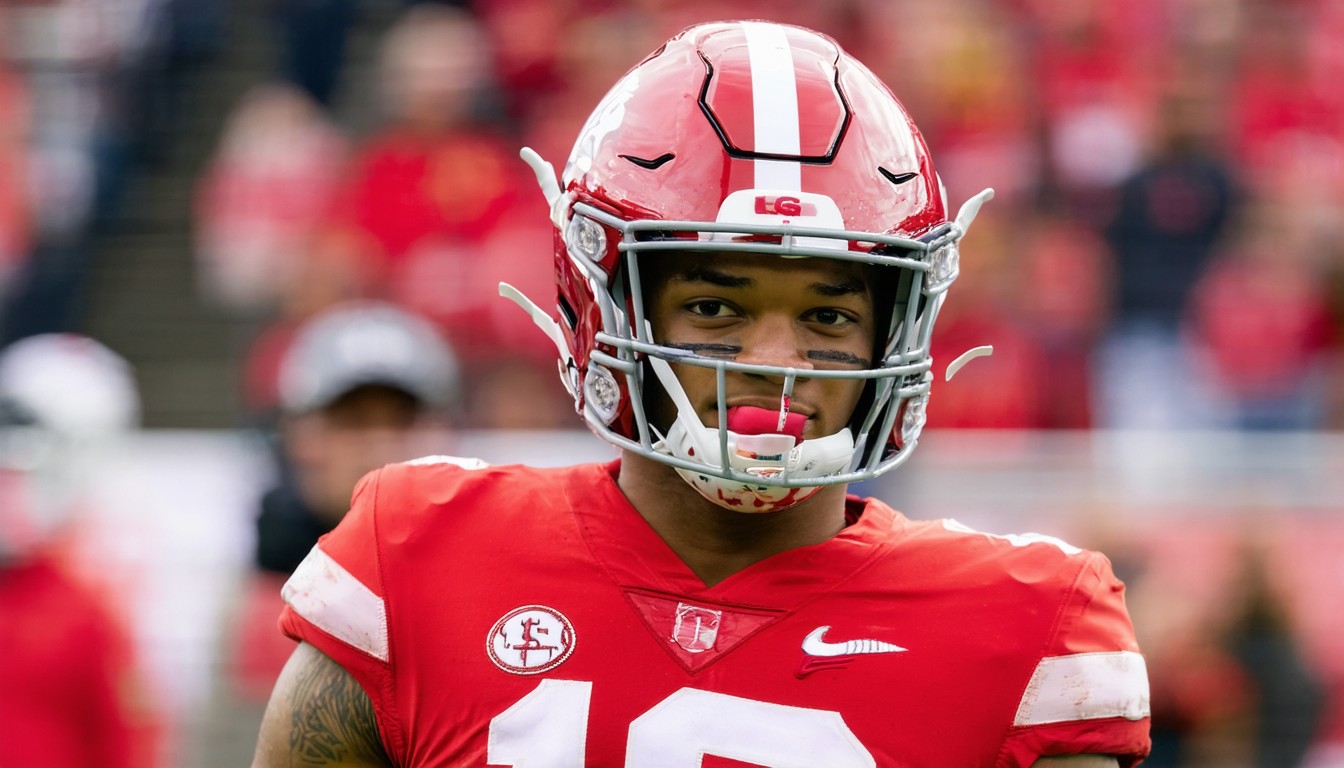
Emerging as one of the NFL’s most intriguing quarterback talents, Justin Fields has regularly drawn both praise and scrutiny since entering the league with the Chicago Bears. With the franchise at a crossroads and a promising rookie draft class looming, questions surrounding a potential Justin Fields trade have intensified. As whispers grow louder and front-office decisions loom, the stakes—for both player and franchise—have never been higher.
The Current Landscape: Why a Trade Is on the Table
Justin Fields arrived in Chicago as a highly-touted first-round pick, celebrated for his dual-threat abilities and poise under pressure. After flashes of brilliance but inconsistent team success, the Bears now face a critical decision: commit to Fields or pivot to a new signal-caller in the draft.
Despite Fields’ electric playmaking—evident in multiple 1,000-yard rushing games and highlight-reel throws—the Bears’ offensive woes and coaching changes have hindered consistency. With the team holding valuable draft capital and the top overall pick, speculation about trading Fields has intensified as Chicago weighs long-term competitiveness against short-term gains.
Timeline of Recent Trade Rumors and Team Statements
Speculation about a Justin Fields trade gained traction after the conclusion of the 2023 NFL season. Insider reports and statements from coaching staff signaled that all options—retaining Fields, drafting a quarterback, or trading him—were being considered.
- Early Offseason: Sources inside the league reported active dialogue between the Bears and quarterback-needy franchises.
- NFL Combine Period: Bears’ leadership publicly praised Fields’ development but stopped short of an unequivocal commitment.
- League Meetings: Several insiders noted increased scouting activity and informal conversations with teams in need of a franchise quarterback.
- Recent Comments: General Manager statements, while respectful of Fields’ talents, emphasized flexibility and the need to “explore every avenue for team improvement.”
“We believe in Justin’s athleticism and toughness, but as a front office, it’s our responsibility to evaluate all potential scenarios in the best interest of the Chicago Bears franchise,” one executive noted to NFL reporters.
These official and off-record communications have only fueled anticipation across the NFL ecosystem.
Evaluating Fields’ Value: Performance and Potential
On the field, Justin Fields offers a dynamic mix of speed, arm strength, and creativity—skills that have fueled speculation about his potential in the right offensive scheme. Evaluators point to his:
- Elite Rushing Ability: Among quarterbacks, Fields ranks near the top in both rushing yards and explosive plays.
- Resilience: Despite enduring high sack rates and limited support, Fields has steadily improved turnover metrics.
- Leadership: Reports from the locker room and coaching staff highlight his work ethic and ability to galvanize teammates.
- Passing Developments: While some accuracy and decision-making questions remain, year-over-year improvements are evident.
For teams with offensive-minded coaches or innovative coordinators, Fields represents a tantalizing reclamation project—capable of elevating a franchise if properly developed.
Potential Trade Destinations: Best Fits for Fields
Several franchises have emerged as logical landing spots for a Justin Fields trade, each presenting a unique set of needs and assets.
Atlanta Falcons
With instability at quarterback and a roster built to win soon, Atlanta is frequently cited as a strong destination. Pairing Fields with young skill players and a revamped offensive scheme could accelerate the Falcons’ rebuilding timeline.
Pittsburgh Steelers
Pittsburgh has long prioritized strong quarterback play but finds itself searching for a new solution. Fields’ gritty playing style aligns with the franchise’s identity and could revitalize the offense in a competitive AFC North.
New England Patriots
With quarterback flux and a new coaching regime, New England is prime for a fresh face under center. Fields’ dynamic skill set would offer a stark contrast to recent Patriots signal-callers, providing a foundation for a modernized attack.
Other Teams in the Mix
Teams such as the Las Vegas Raiders, Denver Broncos, and Minnesota Vikings also make logistical sense, each needing a reset at the quarterback position and potentially able to offer the draft assets Chicago seeks. As the offseason unfolds, insiders suggest that “dark horse” teams could emerge, especially as market dynamics shift nearer to the draft.
What Would a Fields Trade Package Look Like?
While exact trade packages are subject to negotiation, historical comparisons offer valuable context. Recent trades involving young quarterbacks have included a mix of:
- Mid-to-high first-round picks
- Established veteran players
- Conditional selections tied to performance
However, market volatility—driven by contract outlook and the caliber of available draft talent—means that Fields’ value may depend more on a particular team’s desperation and scheme fit than just raw statistics.
“The trade value for a quarterback like Fields is inherently fluid,” states a prominent NFL agent. “Team context, upcoming draft talent, and contract control years all play crucial roles.”
This fluidity complicates the calculus for Chicago’s front office and interested clubs alike.
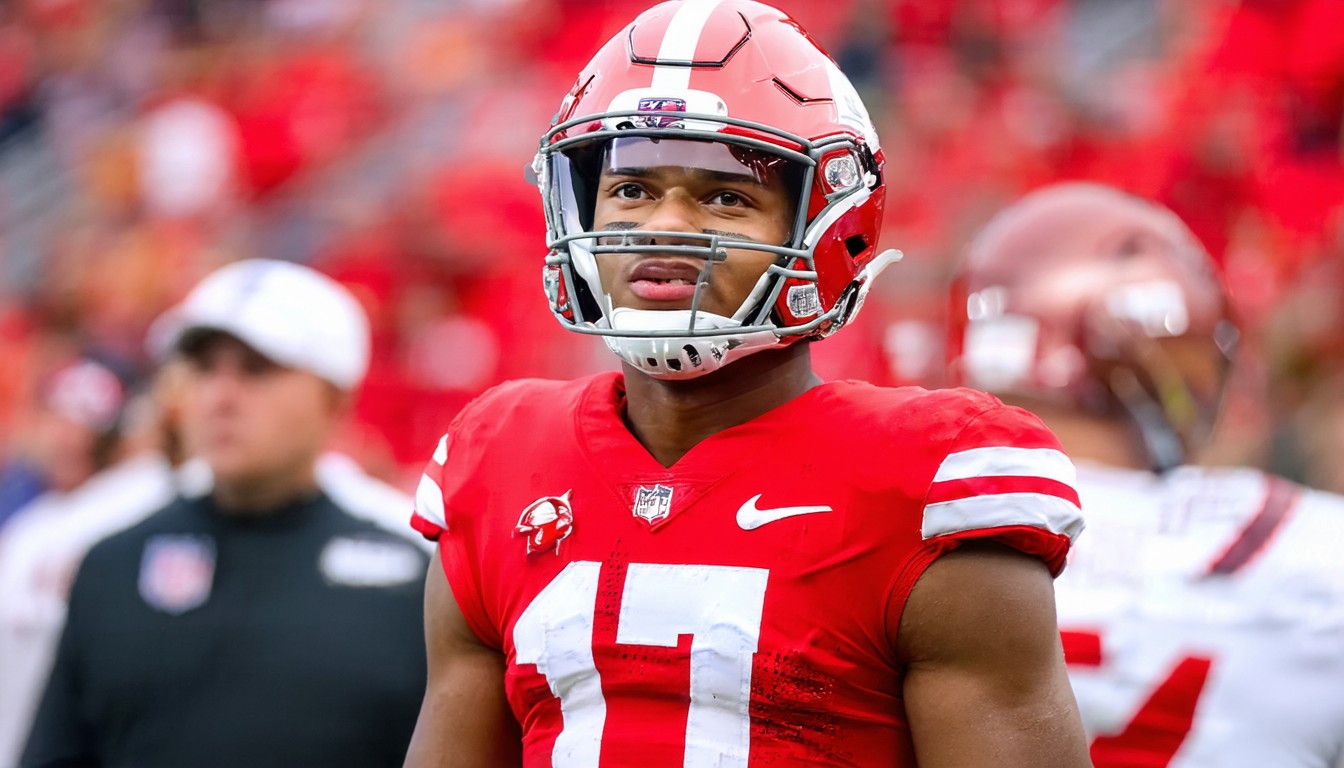
Strategic Risks and Opportunities for Chicago and Trading Partners
Beyond the headlines, the decision to move Fields involves navigating multiple layers of risk and opportunity for all stakeholders.
For the Bears
- Pros: Trading Fields could secure premium draft assets and pave the way for a rookie quarterback contract—a proven ingredient for roster flexibility and accelerated contender windows.
- Cons: Letting go of a young, ascending quarterback risks recapitulating the franchise’s decades-long struggles with instability at the position.
For Buyers
- Pros: Acquiring Fields could reset the organizational timeline, infusing the offense with athleticism and upside while keeping costs below that of a proven veteran.
- Cons: Without organizational support and patient development, there’s risk Fields’ progress could stagnate or backfire, mirroring challenges faced in Chicago.
Historically, blockbuster quarterback trades—such as the Matthew Stafford and Deshaun Watson deals—exemplify how transformative such moves can be, but only when matched with the right coaching and front-office alignment.
Key Milestones and Next Steps to Watch
As the NFL calendar advances toward the draft, critical milestones will shape the Justin Fields trade landscape:
- Free Agency Moves: Signings may either reduce or intensify demand for Fields’ services.
- Draft Pro Day Visits: Chicago’s actions at the top of the draft board will send clear signals about their intentions.
- Media Leaks and Agent Messaging: Strategic leaks often precede major trades, nudging negotiations and media narratives.
Insiders advise paying close attention to both movement at the quarterback position across the league and public statements from Chicago’s leadership. Parallel interest from several teams could also trigger a bidding war, potentially reshaping the trade market at a moment’s notice.
Conclusion
The Justin Fields trade saga stands at the nexus of front-office calculus, player potential, and narrative drama. Chicago’s ultimate decision will ripple across the league, influencing team-building strategies and the future trajectories of multiple franchises. For fans and stakeholders alike, the spring offers a rare case study in high-stakes NFL decision-making—with no easy answers, but immense consequences.
FAQs
What makes Justin Fields an attractive trade candidate?
Fields combines elite athleticism and playmaking with significant experience as a young starter, making him a rare developmental prospect for teams seeking upside at quarterback.
Which teams are most likely to pursue a Justin Fields trade?
Franchises like the Atlanta Falcons, Pittsburgh Steelers, and New England Patriots have been regularly cited by insiders as potential suitors, though other teams in need could also emerge.
What would the Bears likely receive in a Justin Fields trade?
Chicago could expect a package involving early-round draft picks and possibly players, but the precise return would depend on market competition and contract negotiations.
How have similar quarterback trades played out in the past?
High-profile quarterback trades, such as those involving Matthew Stafford and Deshaun Watson, have had large impacts—but the ultimate success depends on fit, coaching, and supporting cast.
Why haven’t the Bears made a decision yet?
Chicago’s leadership is carefully weighing their top draft pick options, internal evaluations of Fields’ trajectory, and the trade offers being discussed with other franchises. The complexity of the decision and timing of the draft are major factors.