
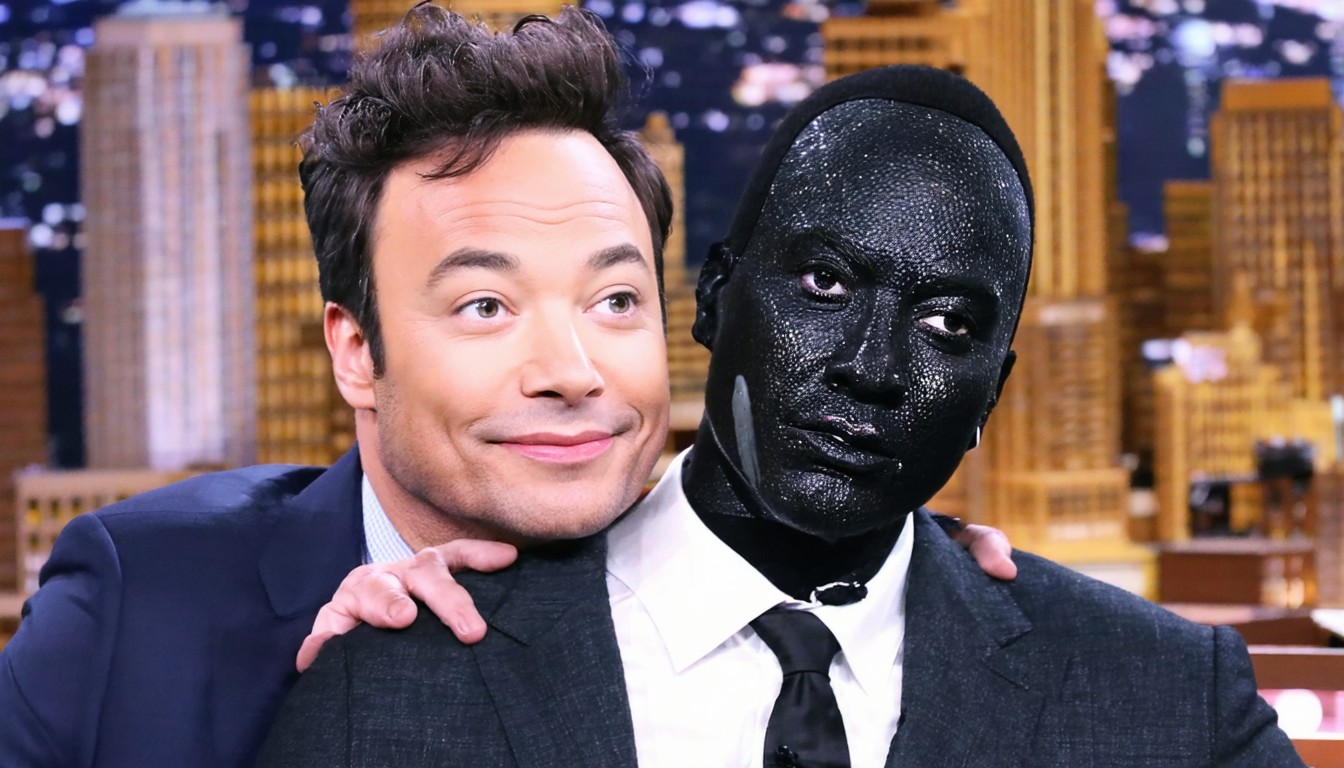
In the evolving landscape of media accountability, few incidents have sparked as much conversation as the Jimmy Fallon blackface controversy. The episode, which resurfaced online in 2020, centered around a sketch from Saturday Night Live (SNL) two decades earlier, where Fallon impersonated comedian Chris Rock using blackface makeup. This event not only ignited discussions about the boundaries of comedy but also became a flashpoint in broader debates on racial sensitivity, representation, and the standards to which public figures are held.
Amidst a reckoning with historic racism in American entertainment, the issue raised complex questions—how should society respond to past actions by celebrities, especially as social norms change? The fallout from the Fallon controversy reveals shifting expectations in entertainment, corporate culture, and public discourse.
The SNL Sketch: What Happened
In 2000, Jimmy Fallon, then a cast member on SNL, appeared in a sketch where he donned dark makeup to imitate Chris Rock. At the time, the sketch did not provoke significant public backlash. However, two decades later, as discussions around blackface and its racist roots became more prominent, a clip of the sketch resurfaced on social media platforms, sparking immediate and widespread condemnation.
They key elements of the incident include:
- Era and Context: Filmed at a time when blackface had not yet become widely stigmatized on mainstream platforms, especially in the context of comedy.
- Intent and Framing: The sketch, while intended as satire or impersonation, failed to acknowledge the broader history of minstrelsy and the pain associated with blackface imagery.
- Public Rediscovery: The viral tweet in May 2020—amidst national protests related to racial injustice—served as a catalyst for renewed scrutiny and outrage.
Notably, Fallon was not the only high-profile comedian confronted with past blackface incidents; similar reckonings affected figures like Jimmy Kimmel and Canadian Prime Minister Justin Trudeau. The growing trend indicated a significant shift in what audiences tolerate from entertainers.
The Immediate Reaction: Apology and Backlash
The backlash against Fallon came swiftly. Amidst a torrent of social media criticism, demands for accountability and repercussions intensified. Social media users propelled the hashtag #JimmyFallonIsOverParty, trending it globally on Twitter for several days.
Within 24 hours, Fallon issued a public apology:
“In 2000, while on SNL, I made a terrible decision to do an impersonation of Chris Rock while in blackface. There is no excuse for this. I am very sorry for making this unquestionably offensive decision and thank all of you for holding me accountable.”
The response from the entertainment community and activists was divided. Many called the apology overdue, arguing that entertainers must take greater responsibility for actions that contribute to harmful stereotypes. Others, including some comedians, urged for a thoughtful discussion rather than a rush to “cancel” individuals for past offenses. In this period, NBC, SNL’s parent network, did not issue a formal statement, highlighting the complexities media platforms face when dealing with legacy content.
Blackface in American Media: Historical Overview
To fully grasp the weight of the incident, one must understand the history of blackface in American entertainment. Developed during the 19th century as a staple of minstrel shows, blackface perpetuated demeaning caricatures of Black Americans, reinforcing systemic racism and deeply rooted stereotypes throughout cinema, television, and stage performances.
By the late 20th century, blackface was broadly recognized as offensive—even when deployed under the guise of comedy or impersonation. But lapses continued to occur. High-profile cases include Ted Danson’s 1993 Friars Club performance, several instances in 2000s-era reality TV, and the aforementioned politicians and entertainers exposed in recent years. Academic research consistently identifies such portrayals as contributing to persistent racial disparities in media representation.
Analyzing the Response: From “Cancel Culture” to Constructive Dialogue
The public’s reaction to Fallon’s blackface sketch highlights the ongoing debate between “cancel culture” and opportunities for personal growth. Many advocacy organizations encourage holding celebrities accountable, but also recognize the importance of meaningful change over punitive exclusion.
Dr. Meredith Clark, a media studies professor, summarizes the tension:
“We have to reckon with the harm that’s done by these depictions, but also provide space for individuals to learn and demonstrate change. Simply ejecting them from public life doesn’t address the systems that allowed the harm in the first place.”
This view is increasingly reflected in how brands and networks react to such controversies. In recent years, companies like Netflix and Hulu have pulled episodes or re-edited scenes containing blackface, while others opt for content warnings instead. The strategic response weighs genuine reconciliation against reacting solely to public pressure.
Repercussions for Jimmy Fallon’s Career and SNL
Despite the initial firestorm, Fallon did not face lasting professional consequences—his tenure as host of The Tonight Show continued, and viewership remained steady. Some critics argue that this reflects the privileges held by established entertainment figures. Others suggest it points to the public’s willingness to separate past mistakes from present character, especially when apologies are viewed as sincere and followed by meaningful action.
Nonetheless, networks have become increasingly proactive in addressing problematic content from their archives. In the years following the Fallon incident, several classic SNL sketches have been pulled or accompanied by disclaimers. Writers rooms, too, have become more diverse and attuned to issues of representation, although the extent of substantive change across the industry remains a work in progress.
Lessons for Media, Comedy, and Public Figures
The Jimmy Fallon blackface controversy underscores a broader lesson: Today’s audiences expect not just apology but proactive accountability from those in the spotlight. Social norms are evolving, forcing entertainment institutions to confront uncomfortable histories and reshape their practices.
For comedians and writers, the incident serves as a case study in the risks of failing to anticipate how humor can uphold rather than subvert harmful power structures. Contemporary comics increasingly consult with sensitivity readers or diversity consultants, aiming to avoid repeating past missteps.
Corporate and creative entities alike now face a distinct imperative—regularly review legacy content, engage authentically with affected communities, and ensure their public voices align with the inclusive values they espouse.
Conclusion
The Jimmy Fallon blackface controversy illuminates the lasting relevance of media accountability in a changing cultural landscape. While the episode reflects the enduring harm of blackface in American entertainment, it also highlights how public responses are becoming more nuanced and constructive. The lesson is clear: transparency, genuine repentance, and institutional change are required to meet the expectations of modern audiences. For public figures, the path forward involves not just acknowledging past wrongs, but committing to equitable and reflective practices.
FAQs
What happened in the Jimmy Fallon blackface controversy?
Jimmy Fallon performed a Chris Rock impersonation in dark makeup on SNL in 2000. The skit resurfaced in 2020, leading to significant online backlash and a public apology from Fallon.
Why is blackface considered offensive?
Blackface has a history rooted in minstrel shows, where it was used to mock and dehumanize Black people. Its imagery is a painful reminder of systemic racism and is now widely recognized as deeply disrespectful and harmful.
Did Jimmy Fallon face professional consequences for the incident?
Despite public outcry, Fallon retained his role as host of The Tonight Show. Reactions were mixed, with some calling for consequences and others accepting his apology as sincere.
Have other celebrities been involved in blackface controversies?
Yes, public figures such as Jimmy Kimmel, Sarah Silverman, and politicians like Justin Trudeau have also faced scrutiny for past use of blackface. These incidents have sparked broader discussions about accountability in media and politics.
How have networks responded to past instances of blackface?
Networks and streaming services have removed or edited content featuring blackface and, in some cases, added disclaimers. This reflects a growing industry-wide effort to acknowledge and address problematic material.
What lessons have been learned from incidents like this?
The controversy stresses the importance of awareness, accountability, and evolving standards. Comedians, writers, and media platforms are increasingly expected to evaluate content through a lens of historical sensitivity and inclusion.