
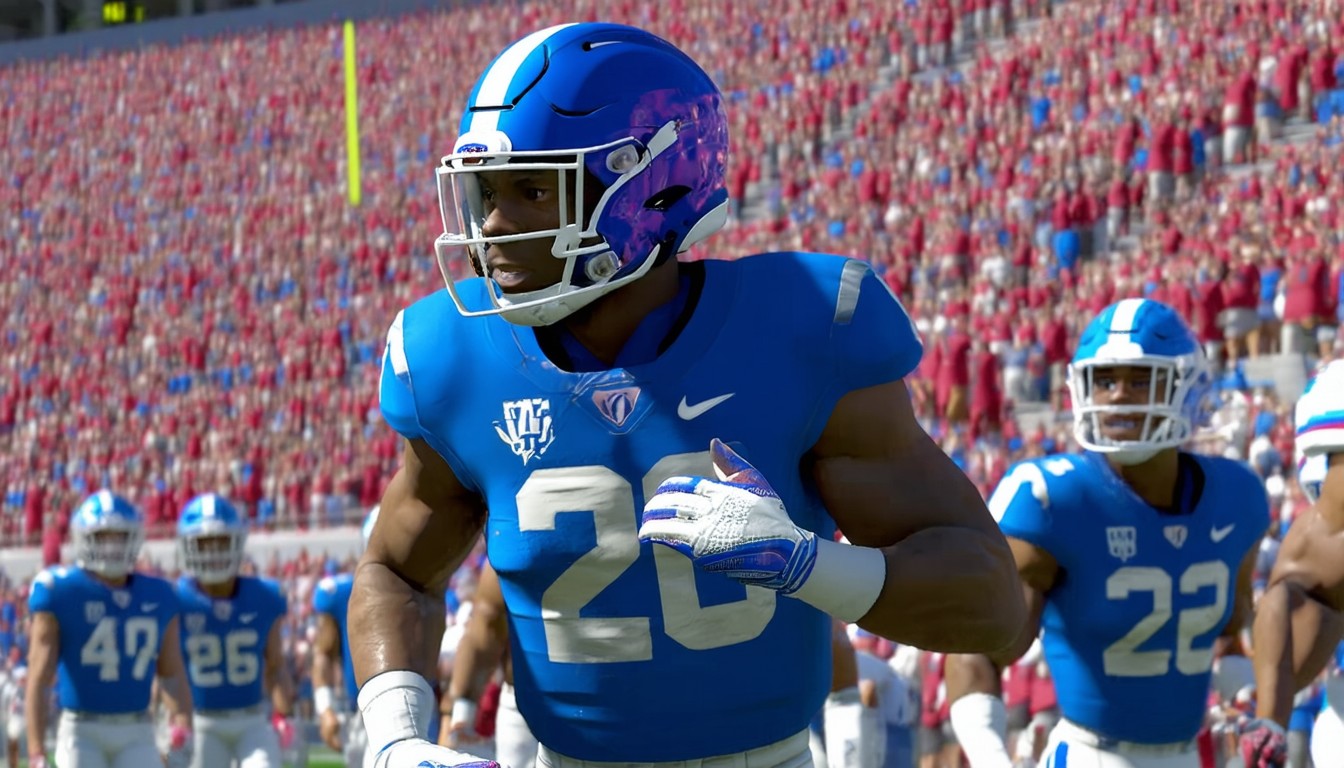
Few video game franchises can match the anticipation and nostalgia that has surrounded the revival of college football in virtual form. After more than a decade absent from the market, College Football 26 offers both longtime fans and new players a fresh chance to experience Saturday pageantry, legendary rivalries, and dynamic student-athlete action—all meticulously recreated on screen. As legal and cultural shifts have enabled collegiate athletes to re-enter the digital field, College Football 26 aims not only to capture the authenticity of modern athletics, but also to raise the bar for sports video games in terms of features, gameplay, and immersion.
Major Features and Innovations in College Football 26
Realistic Environments and On-Field Authenticity
Advancements in graphics and animation lie at the heart of College Football 26. Developer teams have leveraged next-generation consoles’ processing power to render iconic stadiums—from the roaring crowds of The Big House to the intimate intensity of Autzen Stadium—with unprecedented realism. Dynamic weather, evolving field conditions, and nuanced lighting effects make every Saturday showdown feel distinct.
But beyond visuals, gameplay physics and AI have undergone a complete overhaul. New locomotion systems mimic the fluidity and explosiveness of real collegiate athletes, while adaptive AI ensures that strategies, play-calling tendencies, and even crowd noise impact outcomes.
“We worked hand-in-hand with former players and coaches to ensure that every snap, every audible, and every rivalry feels as close to the real thing as possible,” notes lead gameplay producer Jamie Caldwell.
Detailed Dynasty and Road to Glory Modes
Central to College Football 26’s depth are its revamped Dynasty and Road to Glory career modes. Dynasty Mode now offers multilayered recruiting systems, requiring players to scout, persuade, and even manage NIL (Name, Image, and Likeness) deals for athletes. Conference realignment and playoff structure customization mirror the ever-changing landscape of real college football.
Road to Glory, meanwhile, puts the player in the cleats of a singular student-athlete, guiding them from high school stardom to collegiate legacy. Academic performance, campus life, and NIL opportunities now hold tangible influence, adding layers of decision-making and role-play rarely seen in sports video games.
Name, Image, and Likeness (NIL) Integration
One of the most significant changes in NCAA athletics over the past few years has been the introduction of NIL rights for college athletes. College Football 26 reflects this watershed moment, introducing NIL negotiations and brand-building into both Dynasty and player career modes. This addition doesn’t just add authenticity; it also requires players to balance traditional performance metrics with off-field reputation management.
For example, in Dynasty mode, a coach’s ability to secure attractive NIL deals may sway top recruits, while in Road to Glory, a player might choose whether to chase national endorsements or focus solely on athletic goals. This reflects how, in the modern NCAA landscape, college athletes’ decisions are more complex and interconnected than ever.
Enhanced Gameplay Mechanics and Fan Engagement
Gameplay Fluidity and Intuitive Controls
Several years in development, the gameplay engine powering College Football 26 emphasizes realism without sacrificing accessibility. Motion-captured animations bring quarterback scrambles, defensive breakdowns, and red zone dramatics vividly to life. Thanks to adaptive play-calling and real-time momentum swings, no two games unfold in exactly the same way.
Playbooks feature modern college schemes: read-option, RPOs (run-pass options), jet sweeps, and other hallmark strategies from schools like Alabama, Oregon, and Clemson. In turn, players must make quick strategic adjustments, especially as the AI adapts to repetitive tactics.
Customization, Creation, and Online Play
Beyond single-player content, College Football 26 leans into customization. Extensive team, playbook, and player creation facilities allow users to craft unique experiences—whether restoring beloved programs from the past or building completely fictional universities. Online dynasty leagues bring friends and strangers together, supporting cross-generation and cross-platform play, which has become increasingly common in leading sports franchises.
Meanwhile, integrated leaderboard systems and live challenges—mirroring weekly college football headlines—keep the virtual season feeling as alive as the real one. This blend of customization, competitive longevity, and social engagement draws from decades of best practices across EA Sports and competing publishers.
Licensing, Real-World Teams, and Athlete Likenesses
Expansive Team Rosters and Stadiums
A common question for fans is which schools, conferences, and bowls are included. College Football 26 features full licensing for a majority of Power Five and Group of Five schools, with their logos, mascots, fight songs, and home fields painstakingly recreated. Given recent legal victories for student-athletes and collaborative efforts between games publishers and universities, expect most top teams and traditions to be present.

However, as with any large sports franchise, some negotiations are ongoing. A number of schools and athletes have negotiated individually, aiming to maximize their exposure and value—a trend now commonplace in the era of NIL.
Real Athlete Participation
Unlike past iterations, College Football 26’s roster features real player names, likenesses, and statistics for thousands of collegiate athletes. Participation remains voluntary, so some schools may substitute fictional characters when agreements are not in place. Importantly, the inclusion of genuine athlete names and images sets a new standard for authenticity and transparency in sports gaming.
Beyond this, fans can expect annual roster updates, reflecting transfers, coaching changes, and standout freshmen performances—mirroring the fast-paced cycle of real world college football.
Community Impact and the Future of College Football Video Games
Renewed Interest in College Football Culture
The anticipation and release of College Football 26 has already sent ripples through sports media and fan communities. Twitch streams, fan podcasts, and YouTube channels dedicated to dynasty challenges and in-depth gameplay analysis are quickly gaining traction. The title’s focus on narrative and player agency taps into a wider trend across the video game industry, where traditional sports sims are evolving into broader “sports storytelling sandboxes.”
Industry analysts expect that the game could lead to a renaissance for college football content, boosting broadcast ratings, merchandising, and real-world recruitment—a dynamic observed with the revival of other beloved franchises.
Broader Implications for Athlete Compensation
College Football 26 is not just a game; it is a milestone in the evolving relationship between universities, athletes, and media companies. The implementation of NIL in gameplay mirrors seismic legal, economic, and ethical shifts happening off the field. For athletes, participation in the game has tangible, measurable financial value. For fans and universities, it embodies the modern athlete’s dual role as both competitor and content creator.
“This isn’t just about nostalgia; it’s about acknowledging how much college football has changed and letting fans enjoy every new dimension,” explains analyst Marcus Halloran of SportsGameInsider.
Conclusion: A Landmark Release for Sports Gaming
College Football 26 is far more than a return to a cherished franchise—it signifies a new era for virtual sports, one where authenticity, athlete empowerment, and community engagement drive design and innovation. With cutting-edge graphics, comprehensive modes, and true-to-life player representation, the game sets a benchmark for the future of college sports gaming. As eSports, NIL, and fan passion continue to intersect, College Football 26 undoubtedly marks a turning point in both virtual and real-world athletics.
FAQs
What platforms is College Football 26 available on?
College Football 26 is set to launch on major next-generation consoles, including PlayStation 5 and Xbox Series X|S, with potential PC support under consideration.
How does NIL work in College Football 26’s Dynasty and Road to Glory modes?
Players can negotiate and manage NIL deals for athletes, impacting recruiting in Dynasty Mode and off-field decisions in Road to Glory, mirroring real-world NCAA changes.
Are all real college teams and athletes included in the game?
The majority of FBS teams, along with many real athlete likenesses, are included—though participation is voluntary, so some teams and players may be represented generically.
What new features does College Football 26 introduce compared to previous games?
Major innovations include a revamped gameplay engine, deep recruiting and career systems, comprehensive customization tools, NIL integration, and enhanced online play.
Can users update rosters or create custom teams?
Yes, extensive editing options allow users to update rosters, create teams, and share creations online, helping keep the experience fresh and authentic season after season.
What impact does College Football 26 have on the broader sports and gaming landscape?
The game reflects and accelerates trends in athlete compensation, media engagement, and interactive storytelling—bridging real-world sports with virtual experiences.