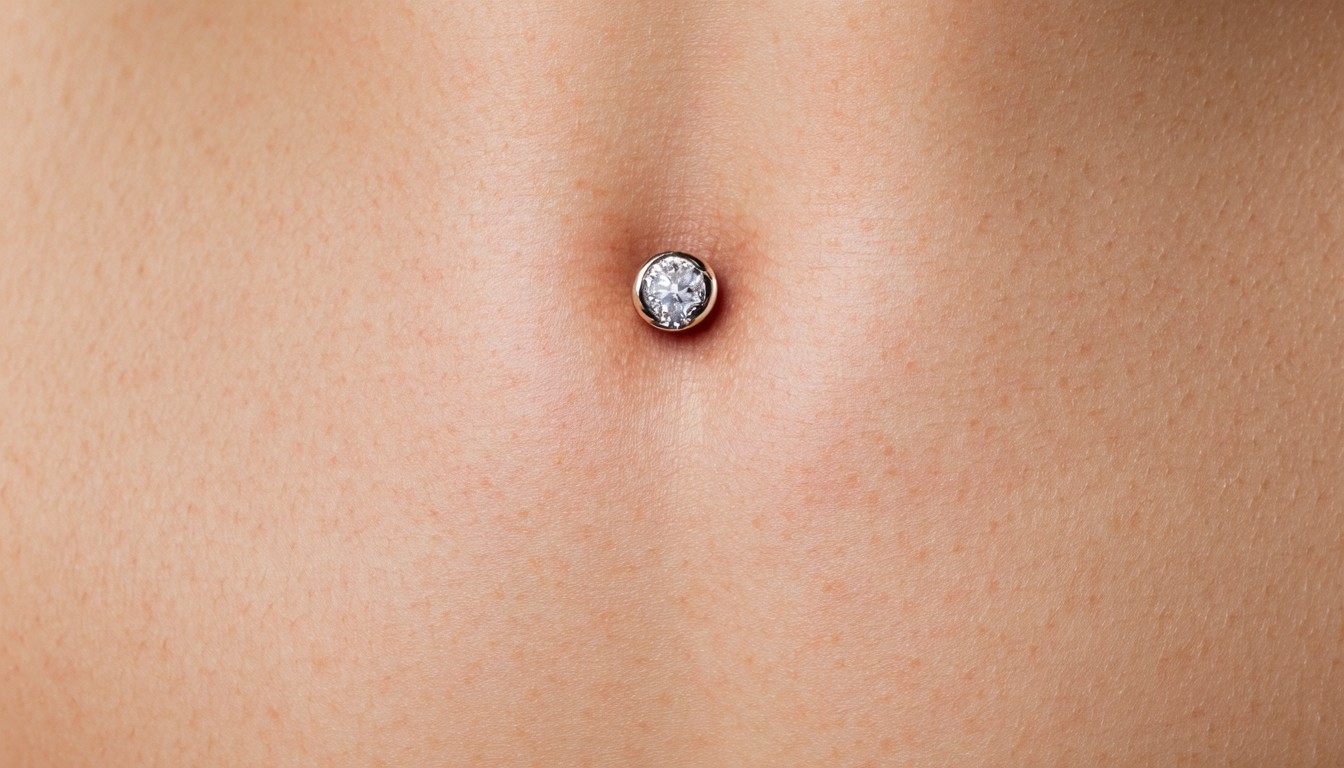

Body modification trends come and go, but belly button piercing—also known as navel piercing—remains a timeless symbol of self-expression. Since gaining major popularity in the 1990s, this piercing has been embraced by people of diverse backgrounds seeking a blend of aesthetic appeal and personal meaning. Yet beneath its surface glamour, a belly button piercing involves specific steps, pain levels, care requirements, and an extended healing process. Understanding each stage—from the procedure and immediate aftercare to long-term health implications—can help ensure a safe, stylish, and complication-free experience.
Understanding the Belly Button Piercing Procedure
Choosing a Professional Piercer
Selecting a qualified professional is the foundation for a successful piercing experience. According to the Association of Professional Piercers (APP), a reputable studio should follow stringent sanitation standards, use sterilized equipment, and have well-trained staff. Visiting licensed studios and asking about their equipment and sterilization practices isn’t just good practice—it’s essential for your health.
“A professional environment and proper technique greatly minimize the risks of infection and complications associated with navel piercings,” says Jessica Santiago, a board-certified body piercer.
The Piercing Process: Step by Step
A standard belly button piercing is typically done through the upper rim of the navel, with a curved barbell as initial jewelry. Here’s a brief overview of the process:
- Consultation & Preparation: The piercer reviews your medical history, marks entry and exit points, and answers questions.
- Sterilization: Hands, tools, and jewelry are sanitized. The area around the navel is disinfected.
- Piercing: Using a single-use, hollow needle, the piercer swiftly creates the hole and inserts the jewelry.
- Aftercare Instructions: Detailed guidance is provided to support healing and prevent complications.
Studios avoid piercing certain anatomy—such as “outie” belly buttons or those with excessive tissue—as these can increase the risk of rejection or improper healing.
Pain and What to Expect During Piercing
How Painful Is a Belly Button Piercing?
Pain perception varies from person to person, but most people describe the sensation as a quick pinch followed by mild soreness. The area contains more flesh than nerve endings compared to areas like the nose or cartilage, making the experience bearable for the majority.
Real-world reports and surveys from piercing studios suggest that anxiety about pain far outweighs the reality. Discomfort is short-lived and typically subsides within the first few hours, with swelling or tenderness lasting a couple of days.
Side Effects and Risks
While rare in a controlled environment, minor bleeding, redness, or bruising may occur. The greatest risks involve improper aftercare or unsterile technique, which can lead to:
- Localized infections
- Migration or rejection of the jewelry
- Scarring or keloid formation
According to dermatologists, the majority of complications can be prevented with professional advice and attentive aftercare.
Aftercare Best Practices for Belly Button Piercings
The Critical Healing Phase
A navel piercing is notorious for its long healing time, often ranging from six months to a year. While some individuals may notice significant healing within three months, the tissue remains delicate and vulnerable to irritation.
How to Clean and Care
Diligent aftercare is non-negotiable for a healthy piercing. Most piercers recommend:
- Saline Soaks: Rinsing the area twice a day with sterile saline or a premixed wound wash.
- Hygiene Maintenance: Washing hands before any contact and keeping the piercing dry outside of cleaning routines.
- Avoiding Irritants: Steering clear of alcohol, peroxide, ointments, and harsh soaps that can disrupt healing.
Additionally, loose, clean clothing is best. Avoiding pools, bathtubs, and high-contact sports further reduces infection risks.
“Proper aftercare is not just about cleaning the piercing,” notes Dr. Marisa Gates, a dermatologist specializing in wound healing. “Attention to your overall health and avoiding trauma can be just as important to successful healing.”
Signs of Trouble
Redness, persistent pain, yellow or green discharge, or a foul odor may indicate infection. Immediate consultation with a piercer or healthcare provider is crucial if any of these symptoms develop. Many studios offer complimentary follow-ups to monitor the healing process and provide tailored advice.
Managing Jewelry and Healing Over Time
When to Change Jewelry
Patience is key: the initial jewelry should remain in place until the tissue has fully healed, a process that may take several months to a year. Changing jewelry prematurely can disrupt healing and introduce pathogens. Once approved by a professional, opt for high-quality materials:
- Implant-grade titanium
- Surgical steel
- Solid gold (14k or higher)
Avoid nickel-based alloys, which are a leading cause of allergic reactions.
Styles and Size Considerations
While the classic curved barbell is the safest starter choice, options abound once healing is complete, including captive bead rings, dangles, and decorative ends. Always verify the jewelry’s size and fit to minimize snagging or pressure on the piercing.
Handling Complications
Should irritation bumps, embedded jewelry, or migration develop, early intervention is critical. Most minor setbacks can be managed with gentle aftercare and the removal of irritants, but persistent issues may require medical assessment or, in some cases, retiring the piercing.
Cultural Trends and Personal Expression
A Symbol Reinvented
The belly button piercing surged in Western pop culture after supermodels and celebrities adopted the style during the 1990s. Since then, it has evolved far beyond fashion statements, serving as a vehicle for identity, confidence, and empowerment across demographics.
Contemporary trends showcase influence from music, sports, and social platforms, with a notable rise in diverse jewelry styles—from understated studs to bold, gemstone-encrusted pieces. Despite evolving trends, the piercing endures as a rite of passage, with significant meaning for many.
Conclusion: A Piercing That Rewards Care and Patience
A belly button piercing is more than a stylish accessory—it’s a commitment that involves thoughtful preparation, pain tolerance, and meticulous care. The safest and most satisfying experiences result from seeking reputable professionals, following aftercare instructions, and exercising patience during healing. This balance of artistry, professionalism, and self-expression ensures that belly button piercings remain both a personal and societal staple in body modification culture.
FAQs
How long does it take for a belly button piercing to fully heal?
Full healing typically ranges from six months to one year, though some people may see significant healing within three to four months depending on aftercare and individual health.
Can I swim or go to the gym after getting a belly button piercing?
It’s best to avoid swimming in pools, hot tubs, lakes, or oceans and participating in high-contact sports until your piercing is fully healed, as these activities can introduce bacteria or cause trauma to the area.
What materials are safest for initial belly button jewelry?
Implant-grade titanium, surgical steel, and 14k+ solid gold are the safest materials for new piercings, as they reduce the risk of allergic reactions and infection.
What are signs that my belly button piercing is infected?
Warning signs include persistent redness, increased pain, swelling, yellow or green discharge with odor, and fever. Any of these symptoms should prompt a visit to your piercer or a healthcare provider.
Is it safe to remove jewelry if my piercing is irritated or infected?
Do not remove jewelry on your own if you suspect infection, as this can trap bacteria and worsen the problem. Seek professional advice for the best course of action.
Can anyone get a belly button piercing?
Most people with an “innie” navel and healthy skin can safely get pierced, but certain anatomies or medical conditions may make the procedure unsuitable. Consultation with a qualified piercer is essential to assess candidacy.