
The 720 area code plays a pivotal role in the telecommunications landscape of Colorado, delivering phone connectivity to the heart of the Rocky Mountain region. Since its introduction, the 720 area code has not only addressed the surging demand for new telephone lines in bustling metropolitan and fast-growing suburban areas but also reflects broader trends in population movement, urban sprawl, and technological change. Today, understanding the 720 area code means more than simply knowing where a call comes from—it’s a window into the evolving story of Colorado’s communities and the infrastructure that keeps them connected.
The Origins and Expansion of the 720 Area Code
Colorado’s population boom in the 1990s and early 2000s placed unprecedented pressure on existing telephone networks. With more people, businesses, and mobile devices than ever before, the region’s iconic 303 area code could no longer accommodate the sheer volume of phone numbers needed.
Why Was the 720 Area Code Introduced?
In 1998, telecommunications authorities implemented the 720 area code as an overlay to the 303 region. Unlike a geographic split, an overlay retains the same service area; instead, new numbers in the 720 area code are assigned alongside 303 in cities and suburbs throughout metro Denver and beyond.
This move was not unique to Colorado. Across North America, overlays became the go-to strategy for managing exhausted area codes without forcing consumers and businesses to change their existing numbers.
“The overlay method—demonstrated by the introduction of 720—proved both disruptive and efficient, allowing growth without the turmoil of mass number changes,” said a Denver-based telecom analyst.
Overlays, 10-Digit Dialing, and User Experience
The advent of 720 also mandated the shift to 10-digit dialing for local calls—now an everyday habit among residents. At the time, it meant a notable adjustment, as people could no longer dial just seven digits for a local connection. While initially met with confusion, this transition enabled long-term flexibility as the region continued to expand.
Geographic Coverage: What Cities and Communities Use 720?
While 720 originated to support Denver’s urban core, its reach quickly expanded. Today, the area code serves a densely populated region encompassing:
- Denver
- Aurora
- Boulder
- Lakewood
- Littleton
- Thornton
- Westminster
- Centennial
- Englewood
- Brighton
- Several rapidly growing suburbs in Adams, Arapahoe, Boulder, and Jefferson counties
Denver and the Metroplex
Denver remains the nucleus of the 720 and 303 overlay, where the area code is a familiar prefix for new businesses and residents. With a vibrant tech scene, outdoor industries, and financial services sector, organizations commonly advertise 720 numbers as a signifier of local presence and modernity.
Suburban and Rural Spillover
As migration and development push outward, formerly small communities have increasingly found themselves inside the overlay’s footprint. This expansion is supported by the flexibility overlays offer: no single city is “assigned” to 720, making the network responsive to ever-shifting population patterns.
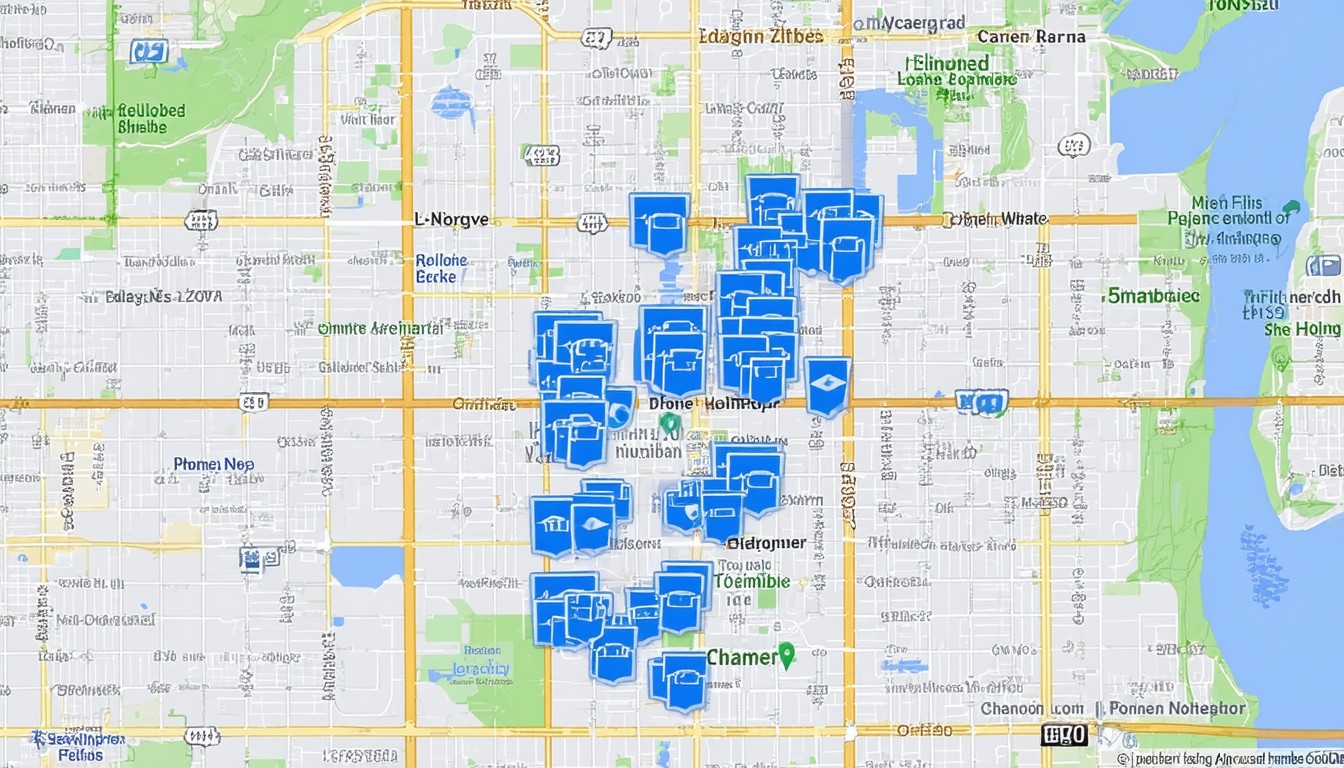
Understanding 720 Area Code’s Map and Boundaries
Unlike original, geographically split area codes, overlays such as 720 make mapping less about jurisdictional edges and more about service distribution.
- Overlay Area: The 720 and 303 area codes share the exact same geographic territory, covering the greater Denver metropolitan area and extending to adjacent municipalities.
- Boundary Fluidity: Growth in surrounding counties means that a 720 number may reach well into developing exurbs, blurring the hard edges familiar from early era codes.
While maps help visualize its reach, the practical effect is a matrix of potential exchange points available wherever new phone numbers are needed—from downtown Boulder to the edge of the plains.
The Importance of 720 for Businesses and Residents
For organizations and individuals, area codes offer more than mere technical routing—they serve as subtle markers of community identity and professional reputation.
Local Identity and Professional Signals
Having a 720 number instantly signals a connection to Colorado’s thriving Front Range. Startups, hospitality providers, and real estate professionals in particular leverage local area codes to foster trust and familiarity among prospective clients. Inbound callers immediately recognize the number as local, which can be an asset in sales or customer service contexts.
Digital Services and Number Portability
Modern VoIP platforms, as well as mobile carriers, assign 720 area codes to new Colorado clients irrespective of precise town boundaries. Thanks to number portability, individuals and businesses can often retain their 720 numbers when moving within the region or changing service providers—further embedding the code’s local relevance.
Phone Number Lookup and Caller Identification in 720
Unfamiliar local calls prompt many users to search for the origin of a 720 number. Whether screening for spam, identifying missed opportunities, or confirming legitimate contacts, area code awareness is key in digital security and everyday life.
How to Perform a 720 Area Code Lookup
A variety of online databases, caller ID services, and mobile apps enable consumers to trace calls by area code and prefix. These tools deliver basic information such as:
- City or county of origin (as available)
- Phone carrier at initial assignment
- User-submitted reports or feedback about the number
However, it’s important to note that area code alone can’t guarantee precise caller identification, as number portability allows users to retain 720 numbers even if they move between cities (or sometimes out of state).
Scams and Spam: Staying Informed
The rise in robocalls and phone scams has put area codes like 720 under increased scrutiny. Many consumer advocates encourage the use of reputable lookup tools before responding to unfamiliar local numbers.
“Understanding the nuances of area code overlays and number portability is essential for anyone working to protect their digital privacy and security,” explained a Colorado consumer protection official.
Key Trends and the Future of Area Codes in Colorado
Rising populations, mobile-first lifestyles, and new digital services mean that telephone infrastructure will continue to evolve. Colorado’s experience with the 720 area code demonstrates both the opportunities and challenges inherent to managing regional connectivity for millions of users.
Continued Growth and Potential for New Codes
Local officials and telecom companies regularly monitor the saturation of assigned numbers. Should the region’s demand outpace supply—even with overlays—new area codes could be introduced via further overlays or, less commonly, geographic splits.
The Era of Digital Communication
Despite the prominence of social apps and messaging platforms, phone numbers—and by extension, area codes—remain foundational identifiers for businesses and residents. In a sense, the 720 area code has become part of the cultural DNA of the Denver metroplex and surrounding communities.
Conclusion: The Role of 720 in Colorado’s Changing Landscape
The history and development of the 720 area code tell a broader story about growth, adaptation, and digital transformation in Colorado. As a vital overlay for Denver and its neighboring cities, 720 has supported new businesses, accommodated rapid population influx, and reinforced connections among communities. Its continued presence serves as both a technical necessity and a badge of local affiliation—demonstrating how something as simple as a phone prefix can reflect profound changes in society.
FAQs
What cities are covered by the 720 area code?
The 720 area code serves major Colorado cities like Denver, Aurora, Boulder, Lakewood, and several adjoining communities throughout the greater metropolitan area.
Is 720 a new area code?
While not brand new, the 720 area code was introduced in 1998 as an overlay to relieve number exhaustion in the existing 303 area code.
Do I need to dial 10 digits for local calls in the 720 area?
Yes, with the overlay in place, all callers in the 720 and 303 regions must use 10-digit dialing for local calls.
Can I keep my 720 phone number if I move within Colorado?
Often, you can retain your 720 number if you move within the metropolitan overlay region, thanks to number portability. However, moving significantly outside the area may require a new number.
How can I identify a caller with a 720 area code?
Using online lookup services or caller ID apps, you can typically determine the city or carrier the number was first issued to, though exact caller identity might require additional verification.
Are 720 area code numbers used by scammers?
Like many area codes, 720 numbers can occasionally be spoofed or used in scam calls. It’s wise to verify unfamiliar local calls, especially if requests for personal information are involved.