
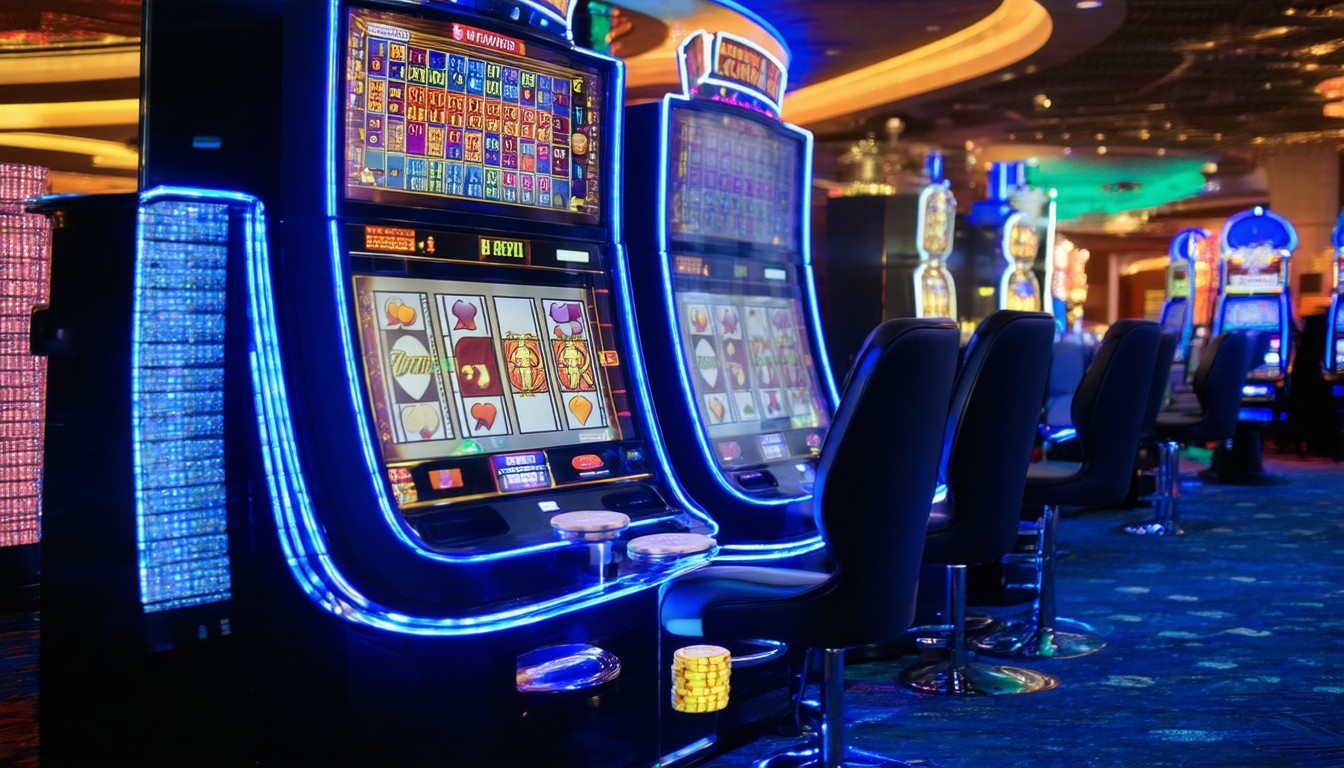
The rapid evolution of online gaming has fundamentally changed how millions interact with casino entertainment. By 2026, the landscape is set to be more competitive, immersive, and technologically driven than ever before. While traditional slots and table games remain popular, a new generation of platforms is capitalizing on behavioral psychology, gamification, and blockchain integration to create titles that are not only captivating but—critically—addictive.
Understanding the mechanics behind this appeal reveals why certain platforms rise to the top, both as market leaders and as hotbeds of player engagement.
Measuring Addictiveness in Casino Games: More Than RNG
Before diving into platform rankings, it’s essential to clarify what “addictive” means in the context of online casino games. Unlike the randomness of classic mechanics, modern titles blend reward schedules, social features, and sensory feedback into a potent mix—a fact acknowledged by behavioral researchers and regulatory bodies alike.
“The interplay of variable rewards, immersive design, and player progression systems transforms today’s online casino games into continuous engagement loops,” says Dr. Lara Hutchins, a consultant on responsible gambling and digital psychology.
Key attributes that heighten the addictive potential include:
– Variable ratio reward structures (akin to slot machines)
– Persistent progression systems and achievements
– Real-time social competition (leaderboards, tournaments)
– Advanced audiovisual stimulation
When analyzing addictiveness for the 2026 landscape, experts consider not just session length or return-to-player (RTP) rates, but also these deeper engagement mechanics.
1. Playnexus: Social Casino Powerhouse
Playnexus, a leader in social betting, combines classic slot mechanics with robust social features. Its games like Treasure Spin League offer daily challenges, collaborative quests, and seasonal leagues that foster a strong sense of community. In 2026, regular feature updates and mobile-first UX keep players returning.
Notable Features:
- Real-time multiplayer slot tournaments
- Persistent achievement badges and XP systems
- Integrated social gifting/rewards
2. SlotForge: Blockchain-Backed Gaming
SlotForge has redefined transparency and trust with verifiable, blockchain-integrated slots. Here, players chase both digital jackpots and crypto-based leaderboards. Crypto Wilds and Neon Rush are known for their unpredictable bonus triggers and NFT-powered collectables.
Addictiveness Drivers:
- Transparent odds via smart contracts
- Season-based progression with unique NFT rewards
- Player-driven economies and trading
3. RoyalRift: Premium Live Dealer Experience
RoyalRift brings excitement to traditional formats by offering interactive live dealer games with real-time chat, AR overlays, and audience participation. Titles like Rift Roulette Royale blend unpredictability with tactile engagement, blurring the line between game and live entertainment.
Standout Aspects:
- Augmented reality enhancements
- “Audience wager” side betting options
- High-frequency daily events
4. LuckyNode: Mobile Micro-Game Explosion
LuckyNode’s bite-sized, rapid-play casino micro-games are optimized for mobile-first millennials and Gen Z. With features like streak-based bonuses and push notification reminders, the platform consistently tops app-engagement charts.
Engagement Tools:
- Short-session slots and skill-based cards
- Daily login streak multipliers
- Social sharing and instant challenges
5. SpinFX: Next-Gen Immersive Graphics
SpinFX stakes its reputation on cutting-edge animation, haptic feedback, and immersive soundtrack design. Studies show visually rich environments can extend average playtime by tempting players with “next big win” moments.
Tech Highlights:
- Cinematic bonus triggers
- Interactive storylines alongside betting
- Multi-sensory design for maximum immersion
6. BetArena: Esports & Casino Convergence
BetArena merges classic casino formats with esports elements. Games like Spin Battle Royale turn slot spinning into competitive, tournament-style events, rewarding both luck and quick thinking.
Unique Mechanics:
- Live PvP slots (head-to-head play)
- Commentated jackpot events
- Player ranking and seasonal leaderboards
7. VevoVegas: Gamified Loyalty Systems
VevoVegas differentiates itself with tiered loyalty ladders, rewarding both time spent and wager frequency. Personal missions and custom in-game avatars turn casual players into repeat visitors.
Engagement Innovations:
- Daily, weekly, and monthly missions
- Personalized offers powered by AI
- Customizable casino spaces
8. GameSmith: Analytics-Driven User Journeys
GameSmith’s machine learning tracks player habits to dynamically adjust challenges, bonus timing, and in-game content. This hyper-personalization maximizes session duration and user retention, as seen in hit releases like Fortune Circuit.
Smart Features:
- Adaptive bonus and challenge push
- Segmented user journeys
- In-depth player behavior analytics
9. FortunaX: Global Jackpots and Social Pools
FortunaX specializes in progressive jackpot games with pooled global prize pots. Social pooling mechanics—where friends can “team up” to aggregate bets—intensify excitement, with frequent multi-million value draws.
Popular Draws:
- Team-based jackpot quests
- Crowd-sourced bonus rounds
- Cross-continental prize events
10. PixelPlay: Retro Revival, Modern Hooks
PixelPlay draws on arcade nostalgia with pixel art slots and classic table games. Modern hooks—such as quick-fire daily tournaments and instant cash-out mini-games—make old-school gameplay as sticky as ever for a new era.
Flashback Engagement:
- Pixelated, fast-play slots
- Speedy, 2-minute challenge games
- Retro leaderboards and club memberships
The Broader Impact: Industry Trends, Player Safety, and Future Regulation
Beyond the excitement, the meteoric growth of these platforms raises questions about responsible gambling and industry oversight. Regulatory frameworks are rapidly evolving—in step with the sophistication of these addictiveness mechanics. Operators increasingly embrace self-exclusion tools, time limits, and transparent reporting to counteract the potential risks.
For instance, leading platforms now offer real-time activity tracking, nudges, and personalized warnings, acknowledging the fine line between engagement and overindulgence. The effectiveness of these controls remains an ongoing topic of academic and policy research.
“The most advanced platforms are those that not only maximize engagement through design but also put player well-being at the forefront of their product roadmap,” notes Dr. Hutchins.
Conclusion: Where Engagement and Innovation Collide
The most addictive casino platforms in 2026 don’t just captivate—they push the boundaries of digital design, social gaming, and player psychology. As boundaries between genres blur and technology opens new doors, the industry faces both immense opportunity and responsibility. Identifying truly standout platforms means looking beyond game mechanics to the full player experience and long-term impact.
FAQs
What are the top factors that make online casino games addictive?
Core factors include variable rewards, immersive design, social features, and personalized progression systems—each engineered to encourage repeat play and extended sessions.
Are there regulatory safeguards for addictive casino game design?
Most leading jurisdictions now mandate features like self-exclusion, session limits, and real-time activity tracking to help mitigate the risks of problem gambling.
Which age groups are most engaged with these platforms?
While traditional casino platforms appeal broadly, mobile-first micro-game services and gamified titles are especially popular among millennials and Gen Z audiences.
Do blockchain or crypto features increase game addictiveness?
Blockchain adds transparency and unique reward structures, such as tradable NFTs, which can enhance engagement. However, core addictive design principles remain similar.
What can players do to gamble more responsibly?
Utilizing built-in platform tools, setting strict time and budget limits, and staying aware of personalized warnings are effective strategies for maintaining control.